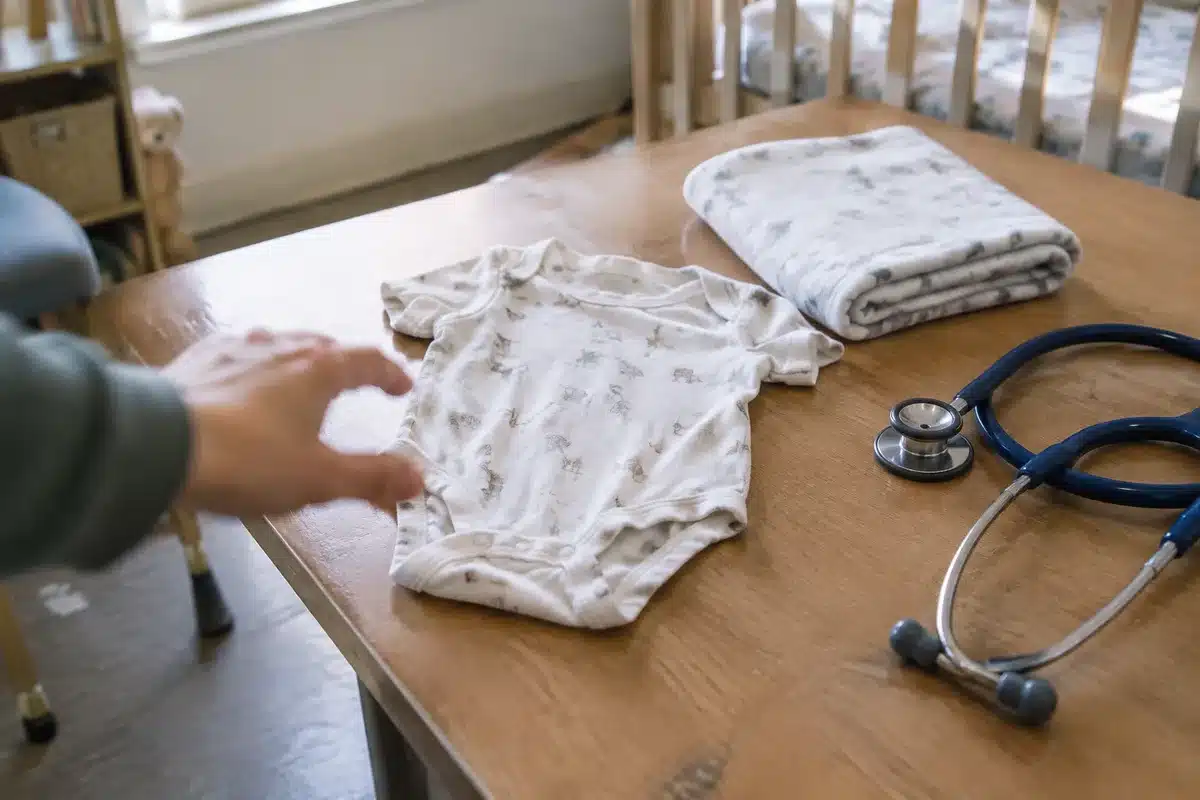
The recent refusal to allow a medical check-up has reignited discussions surrounding the controversial case of the so-called “family in the woods.” Just days ago, Catherine Birmingham and her partner Nathan Trevallion requested a second pediatric evaluation for one of their six-year-old twin daughters, only to encounter resistance from the court-appointed guardian.
This saga traces back to the days leading up to Christmas when their three children were placed in a care facility in Vasto, Abruzzo. As part of the standard procedure, the children underwent health assessments, during which one of the twins was diagnosed with bronchitis and spasms. Catherine questioned the validity of this diagnosis, voicing her concern that had her daughter truly been in such a condition, she would have noticed it prior to the assessment. Consequently, the couple, through their legal representatives, sought a follow-up pediatric examination, ideally with a specialist from the Santissima Annunziata Hospital in Chieti.
The guardian for the three minors, Maria Luisa Palladino, rejected this request, citing two primary reasons. Reports indicate that she deemed the follow-up visit “unnecessary,” as the pediatrician had already identified a concerning clinical condition. Furthermore, a new medical examination might “overlap” with the health checks already mandated by the juvenile court in L’Aquila.
Meanwhile, the court has reaffirmed the suspension of the couple’s parental rights. In their ruling, the judges highlighted issues related to “health and social health,” mentioning the mother’s alleged opposition to antibiotic treatment. According to the magistrates, these behaviors suggest a significant rigidity driven by the values guiding their lifestyle choices.
However, the couple’s defenders, Marco Femminella and Daniela Solinas, argue that the denial of the second visit could have ulterior motives, suggesting it was “instrumental” in portraying the parents as inflexible and uncooperative. This narrative may have been utilized to justify the removal of their children and their ongoing stay in the Vasto care home.
As it stands, the situation remains unresolved, continuing to provoke questions and uncertainties regarding child welfare. The story of the “family in the woods” is not just a singular incident; it reflects a broader debate about the fine line between parental responsibility and decisions affecting children’s health. Recently, discussions have also surfaced concerning the strict education imposed by the mother on the three children and their limited cooperation at home.
Background Context of the Case
The family’s troubles began when they were placed under scrutiny by social services. The incident that led to their children being taken away involved several factors that highlighted their unconventional parenting choices.
– The family’s lifestyle choices have raised eyebrows.
– The initial health assessments flagged concerns about the children’s wellbeing.
– The court’s involvement was prompted by alarming reports from educational and healthcare professionals.
Legal Proceedings and Implications
As the case unfolded, legal battles ensued, drawing attention to the complexities of parental rights in the context of health care decisions.
– The guardianship arrangement has come under fire for perceived bias.
– The court’s rationale for suspending parental rights has sparked debate.
– Legal representatives are scrutinizing the procedures followed by the authorities.
Public Reaction and Broader Discussions
The case has ignited a fiery debate among the public, with many expressing their opinions on social media and in community forums.
– Some advocate for parental autonomy, emphasizing the importance of personal beliefs in child-rearing.
– Others argue for stricter regulations to protect children from potential harm.
– The discussions reflect a growing divide in societal views on health and parenting.
Future Considerations for the Family
With the legal proceedings still ongoing, the future remains uncertain for Catherine, Nathan, and their children. The implications of this case extend beyond their family, serving as a significant point of reference for similar situations in the future.
– The outcome may set precedents for future child welfare cases.
– Ongoing media coverage keeps the conversation alive and evolving.
– Experts in child welfare are closely monitoring developments to assess broader impacts.
Similar Posts:
- Family in the Woods: Surviving Without Water but Not Without Internet Sparks Controversy!
- Parents Fly to Sharm el-Sheikh: 5 Siblings Left Home Alone in Trieste!
- Gifted Student Fails: The Controversial Case Shaking Up Italian Schools
- Why a Family in the Woods Chose Italy: “We Want to Return Together”
- Italy’s Rising Birth Age: Women Now Average 33.4 Years at First Childbirth!

Jason R. Parker is a curious and creative writer who excels at turning complex topics into simple, practical advice to improve everyday life. With extensive experience in writing lifestyle tips, he helps readers navigate daily challenges, from time management to mental health. He believes that every day is a new opportunity to learn and grow.