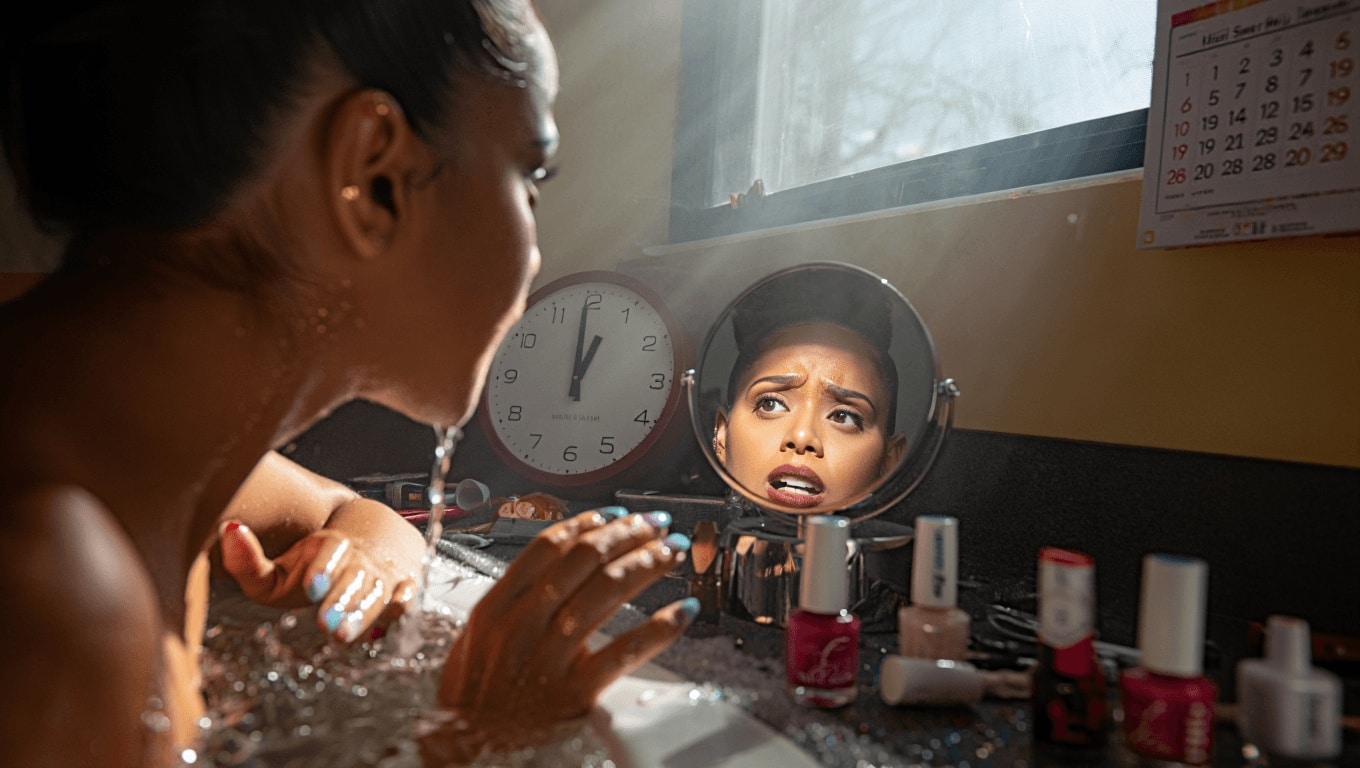
The landscape of beauty products is set to undergo significant changes starting May 1, 2026, with new regulations that will particularly impact fans of sparkling nail polishes and glitter gels. The European Union has taken steps to enhance cosmetic safety by introducing fresh guidelines that will restrict the use of certain substances in cosmetics. This move aims to mitigate potential health risks associated with harmful ingredients, as outlined in the revised EU Regulation 2026/78.
One of the most noteworthy substances affected by this regulation is cosmetic silver, commonly found in makeup products. Identified in the INCI under the code CI 77820, it’s primarily used in products that offer luminous effects and metallic reflections. However, under the new rules, its application will face strict limitations. The use of silver will no longer be permitted in nail polishes, UV and LED gels for nails, reconstruction products, body painting glitters, and various creams and lotions. Essentially, a significant portion of the glitter nail polishes currently available on the market will no longer comply with regulations.
Restrictions on Cosmetic Silver
While silver can still be utilized, it will only be allowed in specific products such as lipsticks, glosses, and eyeshadows, and even then, only in very low concentrations, capped at 0.2%. The restrictions are even more stringent for oral hygiene products like toothpaste and mouthwash, where the limit drops to 0.05%. The rationale behind these changes is rooted in safety concerns. According to the Scientific Committee on Consumer Safety, certain forms of silver, particularly fine or nano particles, may accumulate in tissues over time, increasing risks associated with prolonged exposure.
Additional Regulatory Changes
But silver isn’t the only ingredient facing tougher scrutiny. The new regulations also impose restrictions on various fragrances and preservatives commonly found in everyday cosmetics. Notable among these are Hexyl Salicylate, a prevalent fragrance ingredient, and Bifenil-2-olo, used for its antibacterial properties. These substances will see stricter limits or outright bans in certain product categories, which means that many items will need reformulation.
Impact on the Beauty Industry
In the beauty sector, where glittery and eye-catching products are in high demand, brands will need to quickly adapt to these new regulations. For consumers, this shift emphasizes the importance of scrutinizing product labels more closely than ever before.
– Understanding the INCI will become crucial in determining which products will remain on shelves and which will be altered or withdrawn.
– Consumers should be aware of the increasing focus on safety and transparency from the European Union.
As these changes unfold, the beauty industry faces an exciting yet challenging road ahead, with both manufacturers and consumers needing to navigate a new landscape of cosmetic regulations.
Similar Posts:
- Mercury in Canned Tuna: Should We Be Worried? Experts Weigh In on the Risks!
- Listeria Alert: Lidl Recalls Deluxe Salmon – Check Your Expiration Dates Now!
- OSHA’s New Leader: David Keeling Takes the Helm!
- Gold and Silver Plunge: What’s Happening After Historic Highs?
- New Year, New Regulations: Essential AI Laws HR Must Know Now!

Jason R. Parker is a curious and creative writer who excels at turning complex topics into simple, practical advice to improve everyday life. With extensive experience in writing lifestyle tips, he helps readers navigate daily challenges, from time management to mental health. He believes that every day is a new opportunity to learn and grow.