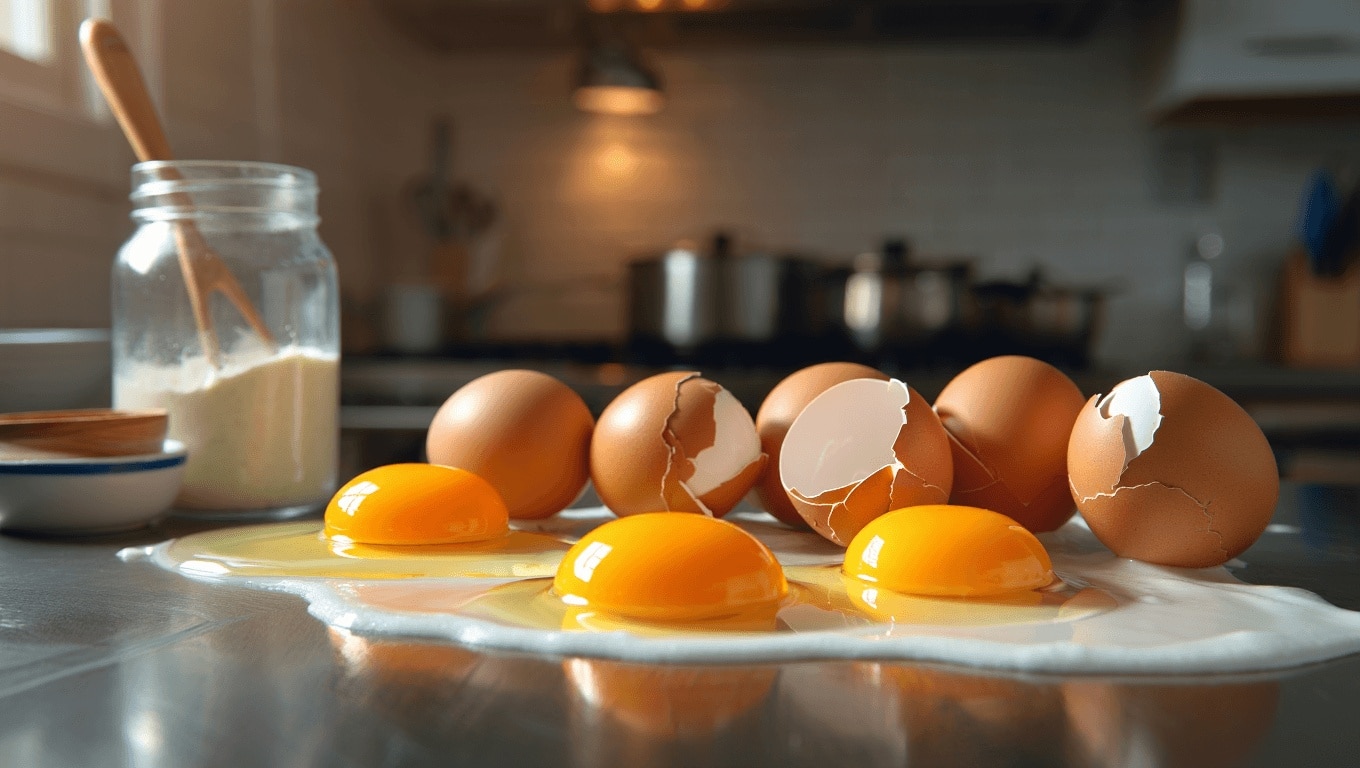
Eggs are a staple in kitchens across the globe, gracing everything from breakfast plates to delectable desserts. Whether it’s a fluffy omelet, a creamy carbonara, or a rich custard, these versatile ingredients find their way into countless recipes. However, a common concern among home cooks revolves around their preservation: How long can eggs be safely stored in the fridge? And what are the signs that indicate they’re still good to eat? Fortunately, there are some straightforward and nearly foolproof methods to help avoid waste and health risks. Additionally, recent studies suggest that eggs not only contribute to a healthy diet but may also play a role in memory protection and Alzheimer’s prevention.
According to guidelines set by the U.S. Food and Drug Administration, eggs that are stored correctly in the refrigerator can remain safe to consume for up to three weeks after purchase. An important detail to note is the date printed on the carton. This date does not necessarily indicate when the eggs should be discarded; rather, it reflects the period of peak quality for the product.
The way eggs are processed significantly impacts their storage life. For instance, commercially sold eggs undergo washing during production, which removes a natural protective coating called the bloom. This membrane, produced by hens, serves to seal the eggshell and guard against bacteria. As a result, commercial eggs must always be kept refrigerated.
In contrast, fresh farm eggs that haven’t been washed can last several weeks at room temperature thanks to this protective layer. The method of storage also plays a crucial role in their longevity.
To maximize their shelf life, experts recommend keeping eggs in their original cardboard packaging. This not only protects them from bumps and bruises but also minimizes the absorption of strong odors from other foods in the refrigerator, as eggshells are porous and can easily take on flavors from nearby items like onions, fish, or aged cheeses.
Another important consideration is where you place the eggs in the refrigerator. While the side door is often designated for egg storage, it’s actually one of the least favorable spots. Frequent temperature fluctuations from repeated openings can diminish egg quality over time. Instead, storing them on the interior shelves, where temperatures remain more stable—ideally below 4 degrees Celsius—is a better choice.
So, how can you determine if an egg is still good to use? One widely recognized method is the float test. Simply fill a bowl with cold water and gently immerse the egg. If it sinks and lies flat on the bottom, it’s fresh. If it stands upright or floats, it indicates that air has accumulated inside, suggesting that the egg is older.
However, floating doesn’t automatically mean the egg is bad; it’s merely a preliminary indicator that warrants further examination. The most reliable method remains the smell test. Cracking the egg into a separate bowl before using it is always a wise choice. A fresh egg has little to no odor, while a spoiled one will emit a strong sulfur smell that is unmistakable.
In such cases, it’s wise to discard the egg. The appearance of the egg white can also provide valuable insights. A slightly cloudy egg white often indicates freshness, while a very watery and transparent one suggests an older egg.
Red speckles near the yolk are typically harmless, resulting from a broken blood vessel during egg formation, but pink, green, or iridescent egg whites can signal bacterial contamination.
Another common mistake is washing eggs before storing them, particularly for fresh farm eggs. Washing can actually facilitate the transfer of bacteria through the shell, so it’s best to gently wipe them with a dry cloth instead.
If there’s ever any uncertainty about an egg’s freshness, cooking it thoroughly remains the safest option. Well-cooked eggs, with both the white and yolk firm, significantly reduce the risks associated with potential bacterial contamination.
Similar Posts:
- Stop Eating Pre-Packaged Salad: Discover the Dangerous Mistake You’re Making!
- Google Photos now helps you clear out your storage while keeping your memories intact
- Samsung F1rst 75 AI: The Smart Fridge Revolutionizing Freshness, Space, and Energy Efficiency!
- IKEA Unveils Revolutionary Herb Storage Container: Discover Why Everyone Wants It!
- He purchased a 2TB hard drive for 10 euros on AliExpress : when he opened the box, the truth was revealed

Jason R. Parker is a curious and creative writer who excels at turning complex topics into simple, practical advice to improve everyday life. With extensive experience in writing lifestyle tips, he helps readers navigate daily challenges, from time management to mental health. He believes that every day is a new opportunity to learn and grow.