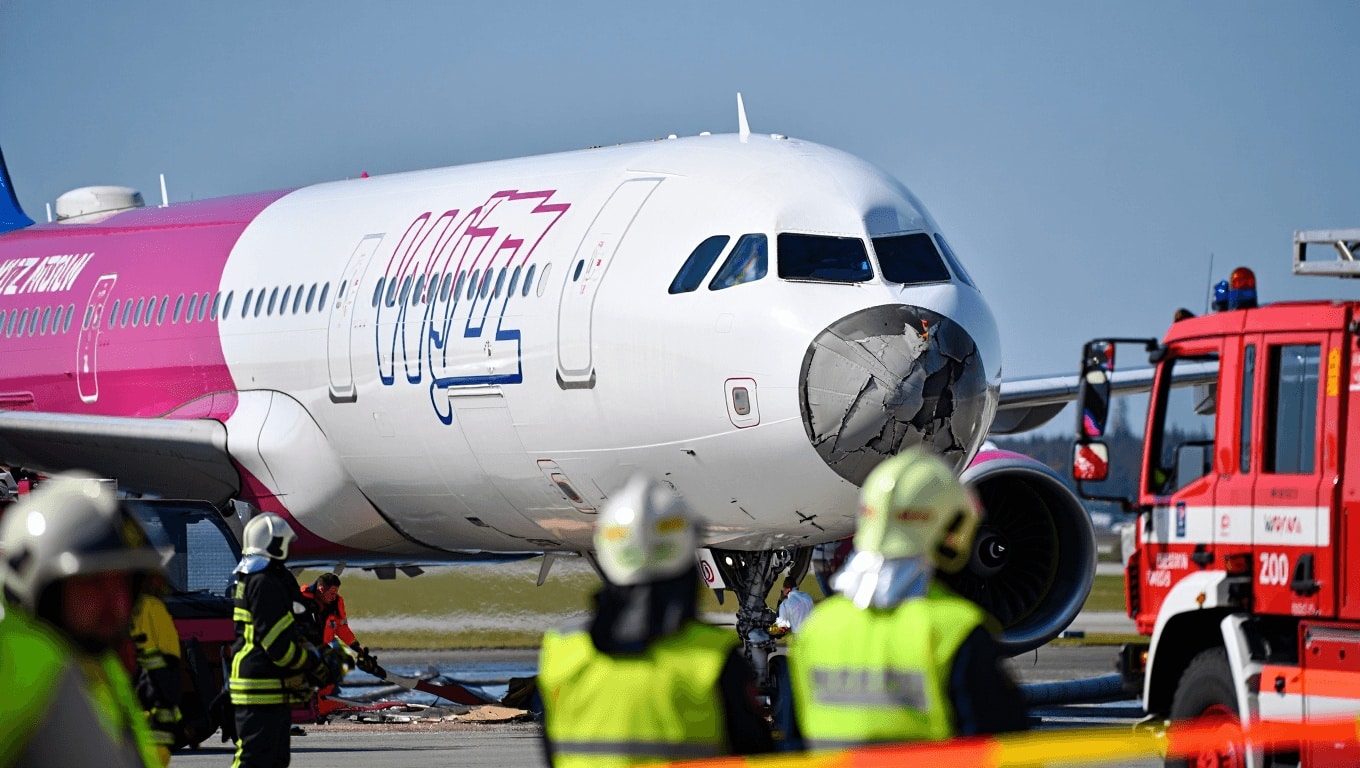
In the world of aviation, safety is paramount, yet incidents can occasionally reveal alarming lapses in protocol. A recent report has shed light on a potentially dangerous situation involving Wizz Air’s flight 5411, which took place in April 2025. The details, now emerging more than a year later, highlight how a simple oversight during takeoff could have led to a catastrophic event. As we delve into the findings from the Air Accidents Investigation Branch (AAIB), we uncover the intricate layers of events that unfolded that day.
The flight, originally operated by Ascend Airways, was traveling from London Luton to Athens with 162 passengers onboard, along with a crew of six. The investigation reveals that an incorrect power setting was used for takeoff, raising questions about the safety standards adhered to by the airline and its operational partners.
A Narrow Escape from Disaster
Some experts are now characterizing the incident as a near-miss, suggesting that the aircraft was just “two seconds” away from a potential disaster. At the moment of lift-off, the plane’s speed registered at 276 km/h, which was 16 km/h below the required speed for a safe takeoff configuration.
– The aircraft took off with only **162 meters of usable runway left**, equating to just over two seconds of flight time.
– The thrust applied was **82.1%**, lower than the **85.2%** required for the intersection departure.
Despite the critical situation, the flight managed to land safely in Athens shortly thereafter, without any operational consequences. However, British investigators classified the takeoff as below international safety standards, raising significant concerns.
Investigative Findings
The AAIB undertook a meticulous investigation, examining surveillance footage from the airport, alongside data from three flight tracking websites and the aircraft’s flight recorders. This comprehensive review allowed investigators to visually compare the performance of flight 5411 with standard takeoff profiles from the same runway point.
In terms of **climb performance**, the aircraft exhibited a notably sluggish ascent, reaching an altitude of 274 meters only **0.8 nautical miles** from the airport. Starting from intersection A, the available runway length was **1,771 meters** out of a total of **2,116 meters**.
So, what caused this alarming incident? The AAIB attributed the situation to **procedural errors made by the crew**. The immediate issue was identified as a failure to verify takeoff performance, compounded by incorrect data input into the flight management system due to the change in the departure point.
Wizz Air’s Response
The AAIB’s report did not highlight any technical deficiencies with the aircraft itself, nor did it find any shortcomings in Wizz Air’s safety management systems. The airline responded to the findings, stating, “Safety is our top priority,” reiterating the importance of operational integrity and safety management.
Furthermore, Wizz Air clarified that the flight was conducted under a **wet lease** agreement with Ascend Airways, which is no longer operational. They emphasized that third-party operators must meet stringent regulatory and operational requirements and are subject to ongoing scrutiny.
The details surrounding flight 5411 underscore the critical importance of adhering to safety protocols in aviation. As investigations continue, the focus remains on learning from these incidents to enhance safety measures in the industry.
Similar Posts:
- Tension on Tap Flight from Rome to Lisbon: Tail Hits Runway During Takeoff!
- Wizz Air Flight Makes Emergency Landing: Passengers Experience Fear in the Skies
- Flight Canceled: Passengers Furious as Woman Refuses to Buckle Seatbelt!
- Terror on Tel Aviv Flight: Co-Pilot Stabs Captain in Cockpit Amid Ongoing Mysteries
- France is ushering aviation into a new era and positioning itself to lead a future €3.22 billion hydrogen aircraft market

Jason R. Parker is a curious and creative writer who excels at turning complex topics into simple, practical advice to improve everyday life. With extensive experience in writing lifestyle tips, he helps readers navigate daily challenges, from time management to mental health. He believes that every day is a new opportunity to learn and grow.