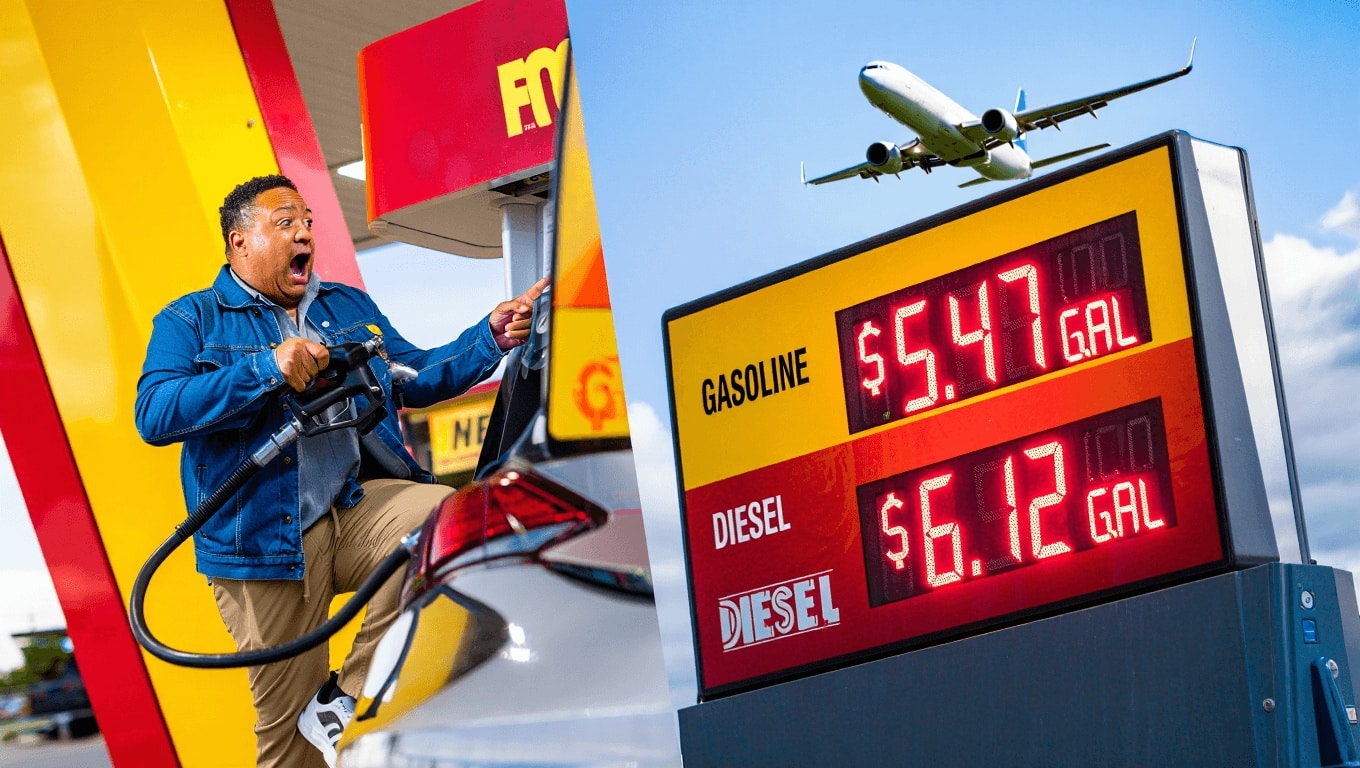
As the world grapples with an escalating energy crisis, fueled in part by geopolitical tensions, the latest measures from the government aim to provide some relief to consumers facing skyrocketing fuel prices. Recently, officials announced a temporary reduction in fuel taxes for the next 20 days, a move designed to soften the financial blow for drivers. Yet, while this may offer a brief respite at the pump, the broader implications of ongoing global conflicts continue to ripple through the economy, affecting various sectors in unforeseen ways.
The impact of these rising energy costs is becoming alarmingly evident across different industries. From transportation to construction, the strain on resources is palpable, and the consequences are far-reaching. Let’s delve into how these changes are reshaping the economic landscape.
Surging Fuel Costs
One of the most noticeable effects of the current crisis is the sharp increase in fuel prices. In just two weeks, the cost of diesel has surged by 30 cents per liter, while gasoline has seen a hike of 15 cents. This translates to drivers shelling out significantly more for their fill-ups, adding to the financial strain many are already feeling.
Air Travel Adjustments
The aviation sector, heavily reliant on fuel, is also feeling the heat. Major airlines are adjusting their ticket prices in response to the rising costs of aviation fuel.
– Some international carriers have already implemented fare increases of around 5%.
– For longer routes, these price hikes can soar to between 10% and 15%.
Construction Under Pressure
The construction industry is another area facing the brunt of these energy price fluctuations. Essential materials like steel, aluminum, concrete, and bitumen are closely tied to energy costs for both production and transportation. Recently, the price of agricultural diesel has seen a notable jump from approximately 0.85 to 1.25 Euros per liter. This surge inevitably affects wholesale markets, pushing up the cost of various agricultural products.
The transportation of goods, especially by sea, is intricately linked to energy expenses. Companies in this sector are already reporting increased shipping and insurance costs, further complicating the supply chain.
Impacts on Hospitality and Tourism
The hospitality and tourism sectors are not immune to these challenges either. With their high energy consumption, businesses in these fields are bracing for the impact of rising utility bills. As costs rise, it is likely that establishments will pass these expenses on to their customers, leading to higher prices in restaurants and hotels.
A Chain Reaction
What we are witnessing is a chain reaction, where rising energy costs are prompting price increases across multiple sectors. As each industry adjusts to the fluctuations, consumers may find themselves facing a more significant financial burden than they anticipated. The interplay between these economic factors underscores the interconnectedness of modern markets, where changes in one area can have cascading effects throughout the entire economy.
Similar Posts:
- Flights Canceled and Prices Soaring: Is This Summer a Disaster for Italians?
- Global Crisis Enriches Switzerland: Discover the Surprising Surge in Bank Accounts!
- Ryanair: Fuel Safety Assured in May, but June Uncertainty Approaches!
- A Tesla owner charging their vehicle at home saw their electricity bill rise by 20-30%, but they’re still saving money
- Oil prices rebound—but major uncertainties still loom

Jason R. Parker is a curious and creative writer who excels at turning complex topics into simple, practical advice to improve everyday life. With extensive experience in writing lifestyle tips, he helps readers navigate daily challenges, from time management to mental health. He believes that every day is a new opportunity to learn and grow.