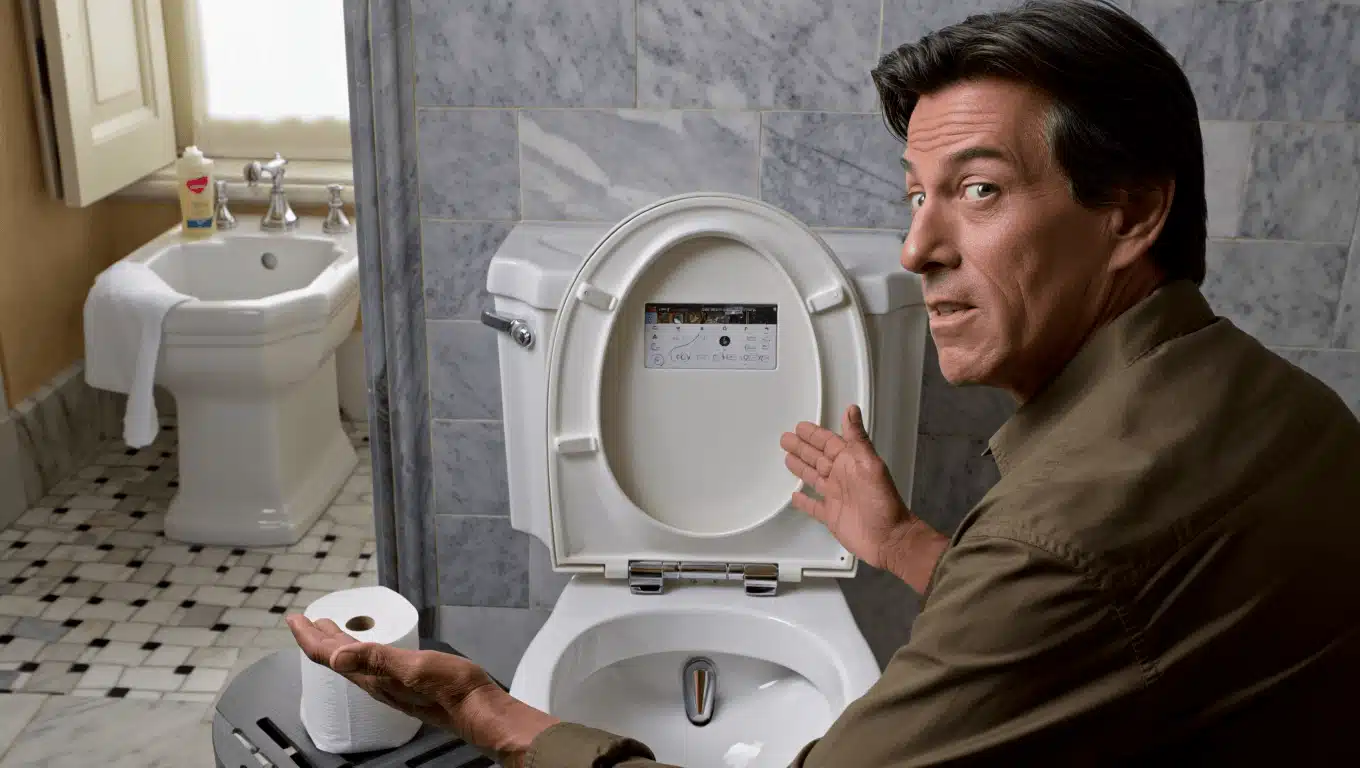
In the realm of modern bathrooms, a fascinating evolution is taking place with the introduction of intelligent toilets. These high-tech fixtures are being hailed not just as an alternative to traditional toilet paper, but also as a substitute for bidets. Among these innovative designs, the Washlet stands out as a pioneer, having originated in Japan back in 1980. Over the years, it has become a staple in Japanese households, transforming the way people approach personal hygiene.
While the benefits of these advanced toilets are clear in terms of hygiene and cleanliness, they bring with them a complex trade-off: a reduction in paper usage but an increase in water consumption. Curious about how this technology is reshaping the bathroom experience? Let’s explore the rise of smart toilets and their impact on daily living.
The Rise of Smart Toilets in Japan
Initially, the adoption of smart toilets was slow, but their popularity has surged dramatically in recent years. The percentage of Japanese households equipped with these toilets has skyrocketed from just 14% in 1992 to an impressive 80% by 2018. Recent estimates suggest that nearly 90% of toilets in Japan now feature this technology.
– 1992: 14% of households
– 2003: 52% of households
– 2018: 80% of households
– Currently: Close to 90% prevalence
How Do They Work?
At the heart of intelligent toilets lies a sophisticated system of adjustable water jets. Users can customize their experience by controlling the temperature, pressure, and direction of the water flow. Many models also incorporate additional features such as:
– Warm air drying
– Heated seats
– Self-cleaning programs
– Antibacterial systems
– Nozzles designed to minimize residue buildup
These features not only enhance cleanliness but also aim to reduce direct skin contact, adding an extra layer of comfort and hygiene.
Advanced Features for Modern Living
For those seeking an even more luxurious experience, high-end models offer an array of futuristic functions. Imagine a toilet that automatically opens when you approach or one that can be controlled via a remote! Some of the standout features include:
– Built-in deodorizers
– Automatic lid opening
– Remote controls for personalized settings
Interestingly, these innovations are not limited to Japan. In the United States, there are models compatible with smart home systems like Alexa, blending convenience with cutting-edge technology.
Hygiene and Maintenance
The nozzles of intelligent toilets are designed with precision to prevent messes, automatically cleaning themselves before and after each use. This self-maintenance feature, while it may seem unusual to some cultures, could pave the way for a more hygienic future. For individuals with limited bathroom space who still want the benefits of a bidet without the hassle of a handheld sprayer, these toilets offer an intriguing solution. Furthermore, health-conscious users might find appeal in models that analyze waste to monitor overall health.
Cost Considerations
However, this high-tech convenience comes at a price. The simplest models, which can be added to existing toilets, start around 150-300 euros. Full-fledged intelligent toilets with integrated bidet functions often begin at 1,000-1,500 euros, with luxury options easily exceeding 3,000-4,000 euros, excluding installation costs.
As we consider the future of bathroom technology, it’s clear that intelligent toilets are more than just a trend; they represent a shift towards a more hygienic, efficient, and user-friendly approach to personal care.
Similar Posts:
- Bad news for Samsung users : Not all phones will receive AI features
- Top 3 Rolex Watches to Buy with €20,000: Invest in Luxury Timepieces Today!
- A father surprises his son with a €1,200 gaming PC, not realizing its parts are over a decade old
- Weekly Showers: How Many to Protect Your Skin and Avoid Health Risks? Expert Guidelines Revealed!
- Rolex Price Hikes 2026: Discover What You’ll Pay Starting January 1st!

Jason R. Parker is a curious and creative writer who excels at turning complex topics into simple, practical advice to improve everyday life. With extensive experience in writing lifestyle tips, he helps readers navigate daily challenges, from time management to mental health. He believes that every day is a new opportunity to learn and grow.