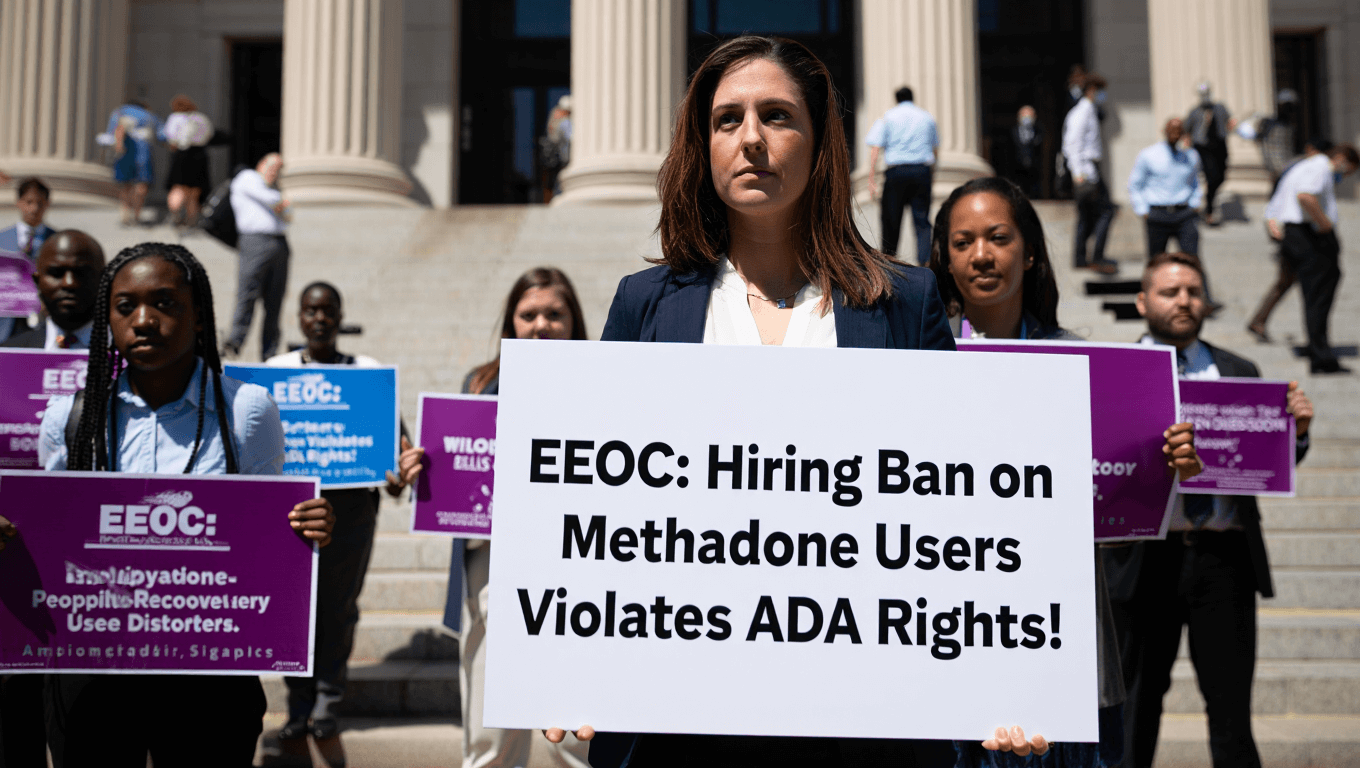
In a world where the complexities of addiction and recovery are frequently misunderstood, a recent legal case has ignited conversations about employment rights for individuals recovering from substance use disorders. As society grapples with the stigma surrounding addiction, the intersection of employment law and addiction treatment becomes increasingly crucial. This case not only underscores the challenges that recovering individuals face in the workforce but also highlights the obligations of employers under the Americans with Disabilities Act (ADA).
The U.S. Equal Employment Opportunity Commission (EEOC) has initiated a class action lawsuit against Wrightway Ready-Mix and its affiliate, Wright Concrete & Construction, alleging discrimination against a job applicant due to his use of methadone for treating opioid addiction. As the details unfold, it raises significant questions about hiring practices and the legal protections afforded to those in recovery.
The Allegations Against Wrightway Ready-Mix
The lawsuit, filed on December 3, claims that Wrightway Ready-Mix denied a laborer position to an applicant solely because he was prescribed methadone. According to the complaint, during the interview process, the hiring manager inquired about the medications the applicant was taking. Upon learning about the methadone treatment, the manager, along with the head of human resources, allegedly informed the applicant that he could not be hired due to company policy.
– The company’s policy explicitly prohibits hiring individuals who take methadone, Suboxone, or any other medications related to the treatment of opioid addiction.
– This decision led to the EEOC’s claim that Wrightway violated the ADA by discriminating against the applicant based on a perceived disability and failing to follow proper hiring protocols.
Understanding the ADA’s Protections
It’s essential to recognize that while the ADA does not extend protections to individuals currently using illegal drugs, it does safeguard those with a history of addiction. This includes individuals undergoing treatment for addiction, such as those using methadone.
EEOC Regional Attorney Debra Lawrence emphasized that these protections are crucial for fostering an inclusive work environment. The implications of this case stretch beyond the immediate parties involved, as it serves as a reminder of the legal frameworks that support recovery.
Lessons for Employers
For human resources professionals and hiring managers, this lawsuit presents vital insights regarding compliance with the ADA. Here are some key takeaways:
– **Avoiding Premature Inquiries**: Employers must refrain from disability-related questions until after a conditional job offer is made. This includes inquiries about medication use that could hint at a disability.
– **Consideration of Recovery**: Employers should be aware that refusing to hire someone based on their medication-assisted treatment can constitute unlawful discrimination.
– **Assessment of Job Performance**: It is crucial to evaluate whether an individual’s medication impacts their ability to perform job functions safely, rather than making assumptions based on their treatment.
Similar Cases and Their Implications
The situation with Wrightway is not isolated. In 2021, the EEOC successfully settled a case against Professional Transportation, which had allegedly denied a driver position to an applicant due to her Suboxone treatment. The EEOC found that the company failed to consider whether the applicant experienced any side effects that would affect her job performance.
Just as in the Professional Transportation case, the Wrightway lawsuit emphasizes the importance of addressing misconceptions about medication and addiction in the workplace.
Conclusion
As the dialogue about addiction and recovery continues to evolve, this case serves as a critical reminder for employers to foster an understanding environment that respects the rights of all individuals, particularly those in recovery. The legal landscape surrounding employment and addiction is complex, and it is essential for companies to navigate it thoughtfully to ensure compliance and support their workforce effectively.
Similar Posts:
- Cheerwine Bottling Company Fires Employee with MS: Doctor’s Clearance Ignored, Says EEOC
- Dairy Farm Exploits Mexican Workers: Claims Americans Are ‘Lazy,’ EEOC Alleges
- P.F. Chang’s Settles Discrimination Claim: Allegedly Denied Job to Applicant Requesting Sundays Off
- Lucas Takes EEOC Helm: Pledges to Champion Merit-Based, Colorblind Equality
- Supreme Court’s 2025 Ruling: Key Insights on Employment Law You Need to Know!

Passionate about analyzing economic markets, Alice M. Carter joined THE NORTHERN FORUM with a mission: to make financial concepts accessible to everyone. With over 10 years of experience in economic journalism, she specializes in global economic trends and US financial policies. She firmly believes that a better understanding of the economy is the key to a more informed future.