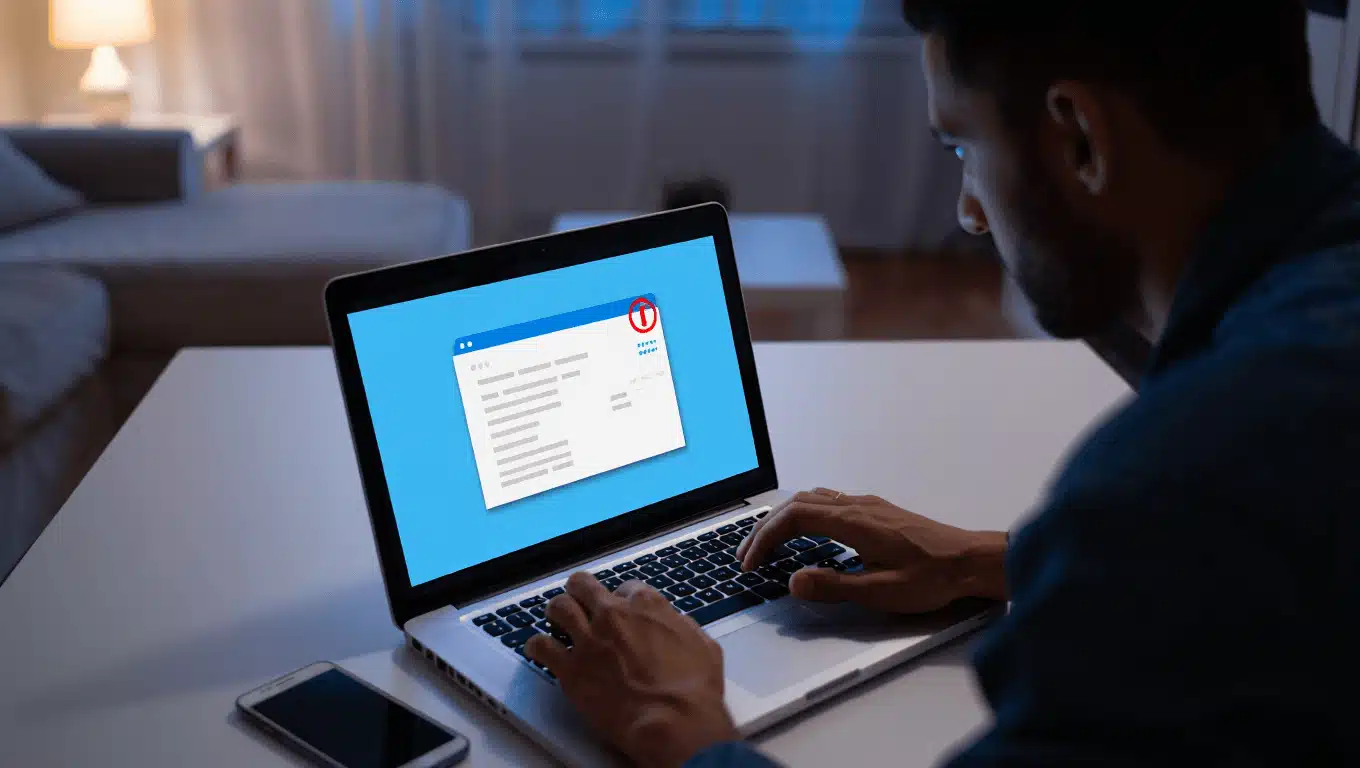
In a world where digital communication is increasingly becoming a part of our daily lives, the rise of fraudulent schemes poses a significant threat. Recent reports indicate that scammers are constantly evolving their tactics, making it essential for individuals to stay informed and vigilant. One of the latest methods involves deceptive emails that appear to come from reputable sources, such as health ministries, urging recipients to update their personal information for digital health services. This alarming trend highlights the need for awareness and caution when navigating online communications.
The Italian Ministry of Health has stepped up to address this issue, alerting the public about the circulation of counterfeit emails that misuse its name. Citizens are being misled into believing they need to provide personal information to renew their health cards or update their electronic health records. As these fraudulent communications proliferate, understanding the mechanisms behind them is crucial for protection.
Understanding the Scam
At the heart of this deceitful scheme lies a familiar tactic: the request for the user to click on a link embedded in a seemingly legitimate email. The email typically suggests that the recipient must visit a specific webpage to complete necessary updates regarding their health services.
Identifying the Fraudulent Links
These links often lead to fake websites designed to closely mimic official platforms. As a result, unsuspecting users may find themselves filling out forms that ask for sensitive personal and financial information. It is vital to remember that both the health card and the electronic health record services are entirely free of charge, as emphasized by reputable news outlets.
The Risks of Sharing Personal Information
Once personal data is submitted through these unofficial channels, it can be exploited for various illegal activities. Scammers may use the information for document cloning, data resale, and other fraudulent enterprises. The Ministry of Health has made it clear that no legitimate requests for personal details will ever be made via email. They firmly advise individuals to engage only through official communication channels.
Crucial Safety Tips
In their public announcement, the Ministry provided a direct appeal to citizens, offering several practical tips to avoid falling victim to such scams:
– **Do not click on links in suspicious emails**
– **Avoid providing any personal or sensitive information**
– **Delete any questionable messages immediately**
These guidelines echo the standard practices for protecting oneself against various forms of fraud, including phone scams.
Staying Informed and Secure
The Ministry concludes its advisory by reiterating the importance of relying solely on official government websites and those of relevant authorities for any updates or official information. Maintaining a cautious approach in the digital landscape is paramount to safeguarding personal information and ensuring one’s security against these evolving threats.
Similar Posts:
- Smishing : The Deceptive SMS Scam That Could Drain Your Bank Account
- Microsoft Teams Message Manipulation: Researchers Expose Critical Security Flaws!
- Delete These 12 Android Apps That May Be Spying on Your Conversations
- Phone Scam Alert: Spoofing Surge Outpaces Agcom’s Filters!
- Cloud-Based HR Records: Navigating the Perfect Storm of Challenges and Opportunities

Jason R. Parker is a curious and creative writer who excels at turning complex topics into simple, practical advice to improve everyday life. With extensive experience in writing lifestyle tips, he helps readers navigate daily challenges, from time management to mental health. He believes that every day is a new opportunity to learn and grow.