In a situation that has sparked considerable debate, a primary school teacher from Veneto found her teaching hours unexpectedly reduced for the 2024-2025 academic year. The decision was influenced by complaints submitted by parents to the school administration. When she sought access to these complaints to understand the basis for the reduction, her request was denied. However, a ruling from the Administrative Court (TAR) on March 31, 2026, ultimately favored her, shedding light on the importance of transparency in educational institutions.
This case raises crucial questions about the rights of educators and the implications of informal feedback in their professional lives. As the story unfolds, it becomes clear that the lines between formal and informal communications can have significant consequences, especially when those communications impact a teacher’s career.
Understanding the Right to Access Documents
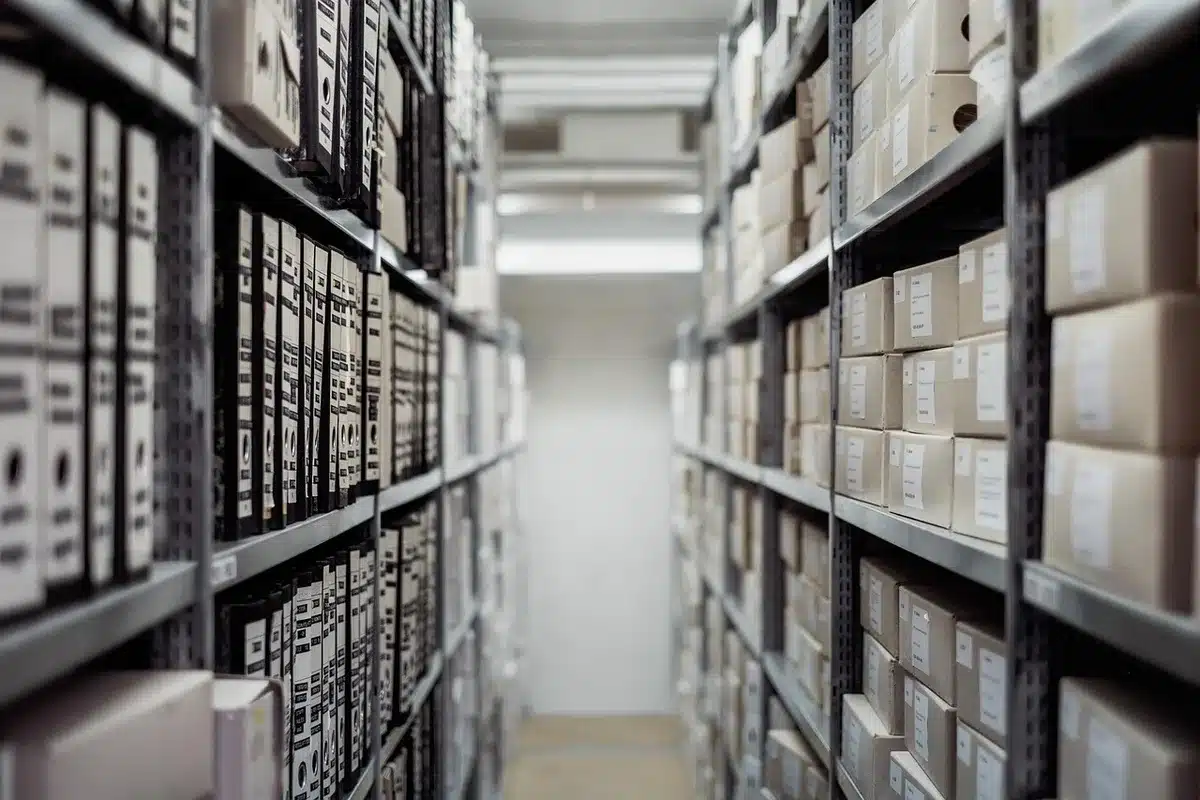
The teacher’s journey began in October 2025 when she formally requested access to the documents related to the complaints made against her. She suspected that the feedback from a class representative had played a significant role in her reassignment. Her goal was to uncover the content of those communications and protect herself against any potential repercussions.
Initially, the school rejected her request, arguing that no disciplinary action was being pursued and that the allocation of teaching assignments fell under the administrative authority of the principal. However, the TAR swiftly dismantled these arguments.
The court recognized her as having a **”direct, concrete, and current”** interest in reviewing the documents, referencing Article 22 of Law 241/1990. The school claimed that the emails in question were informal communications and not equivalent to administrative acts. Yet, the judges clarified that the law does not differentiate between formal and informal documents; what matters is how the administration utilizes them. If such emails influence professional decisions, they transcend private correspondence.
The Impact of Vague Complaints
The court’s stance on vague complaints was equally emphatic. General criticisms, which lack specificity, can tarnish a teacher’s reputation precisely because they remain obscured and difficult to challenge. The TAR established that the **right to access** applies in these situations.
The school had requested to redact the names of the individuals who made the complaints. However, the court rejected this request, citing the State Council’s ruling (decision no. 1199 of 2026): individuals who submit complaints to public authorities that affect third parties do not have an automatic right to anonymity.
As a result, the school is mandated to provide all documentation, including the emails from the class representative, and must also cover **€1000 in legal fees**. This verdict significantly narrows the scope in which informal complaints can affect a teacher’s career without their knowledge, emphasizing the necessity for accountability and transparency in educational settings.
Similar Posts:
- Condominium Secrets Exposed: Your Right to Know Who Your Neighbors Really Are!
- Cloud-Based HR Records: Navigating the Perfect Storm of Challenges and Opportunities
- 94-Year-Old Unearths Treasure in Lire: Shocking State Denial Revealed!
- Children Separated from Father: What Changes with New Court Decisions?
- Covid Tragedy: Widow Faces Losing €200,000 Insurance Payout After Husband’s Death

Jason R. Parker is a curious and creative writer who excels at turning complex topics into simple, practical advice to improve everyday life. With extensive experience in writing lifestyle tips, he helps readers navigate daily challenges, from time management to mental health. He believes that every day is a new opportunity to learn and grow.