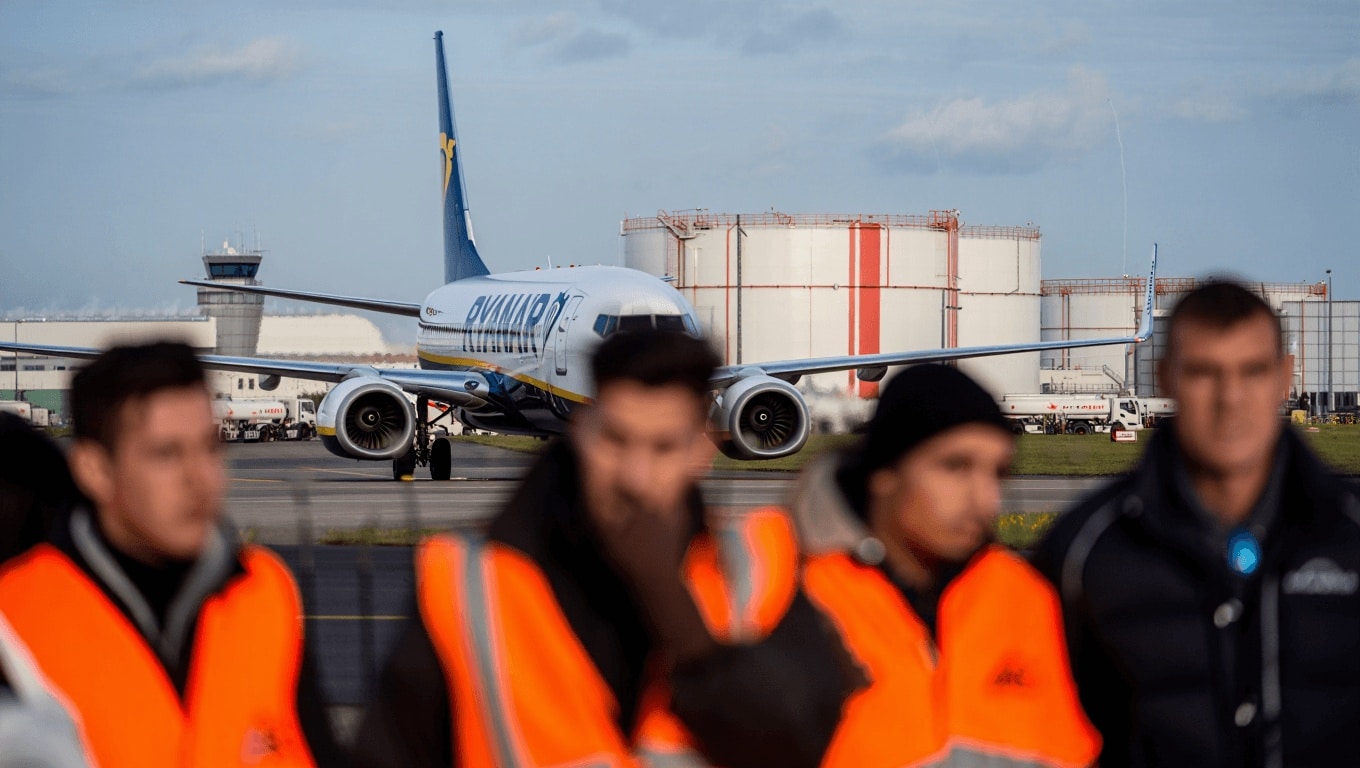
The aviation industry is facing turbulent times, and the situation is especially precarious for low-cost carriers like Ryanair. With the ongoing conflict in the Middle East triggering a fuel crisis, the airline has been compelled to announce a series of route cancellations across Europe for the year 2026. In a candid discussion from the airline’s headquarters in Dublin, the CEO, Michael O’Leary, shed light on the challenges ahead and the uncertainties that lie in wait for travelers and the airline itself.
As O’Leary elaborated, the immediate future appears manageable, with no significant risks anticipated for May and likely for June. However, the longer-term outlook remains murky, as various European nations source their fuel from diverse regions, including Norway, West Africa, the United States, and Russia. The UK, on the other hand, could face a fuel shortage, primarily because its supply is heavily reliant on imports from Kuwait.
The CEO’s insights reveal a complex web of uncertainties.
The Faltering Predictions
O’Leary stressed that it’s challenging to revise expectations in the current climate, acknowledging the lack of certainties for the upcoming months. The geopolitical landscape is already impacting Ryanair’s stock performance, with shares plummeting from 32 euros to 25 euros since the start of military actions in the region. This decline reflects market fears regarding potential profit drops for the airline.
The Fuel Price Dilemma
With no clear visibility on fuel prices for June or the winter months, O’Leary pointed out the impossibility of making accurate forecasts. He explained that 80 percent of Ryanair’s fuel costs are locked in at 67 dollars per barrel until March 2027. However, the remaining 20 percent, which was priced in February, is set at 74 dollars per barrel, while the April pricing has skyrocketed to 150 dollars per barrel. The anticipated unhedged price for May, based on April pricing, is also expected to hover near 150 dollars per barrel.
What does this mean for Ryanair? The airline incurred an additional expenditure of approximately 50 million dollars in April alone. Should the conflict persist and fuel prices remain at 150 dollars per barrel for a year, the total expenditure could escalate to around 600 million dollars. With the Strait of Hormuz blocked and the war ongoing, there could also be a risk of losing 10 to 20 percent of Ryanair’s fuel supply.
The Long Road to Recovery
Even if hostilities were to cease by May, O’Leary cautioned that the repercussions would not vanish overnight. A price adjustment would still take three to four months, and if the war ended tomorrow, fuel prices might drop below 100 dollars per barrel by September.
O’Leary also projected a grim future for some European airlines. If kerosene prices remain high, he warned that several companies could face bankruptcy between September and November. The surge in fuel costs has already led Lufthansa to cancel 20,000 flights from May to October, highlighting the industry’s struggle to cope with rising expenses and the fallout from geopolitical tensions.
Similar Posts:
- Flights Canceled and Prices Soaring: Is This Summer a Disaster for Italians?
- Ryanair Shocker: €15,000 Compensation Awarded for Disrespectful Passenger Incident
- Ryanair’s New Policy: No Free Checked Bags, Only Small Hand Luggage Allowed!
- Rising Costs: Gas and Flights Skyrocket—What Will You Pay Next?
- Ryanair Flight Drug Smuggler Caught with 121 Eggs in Stomach: Shocking Discovery Revealed!

Jason R. Parker is a curious and creative writer who excels at turning complex topics into simple, practical advice to improve everyday life. With extensive experience in writing lifestyle tips, he helps readers navigate daily challenges, from time management to mental health. He believes that every day is a new opportunity to learn and grow.