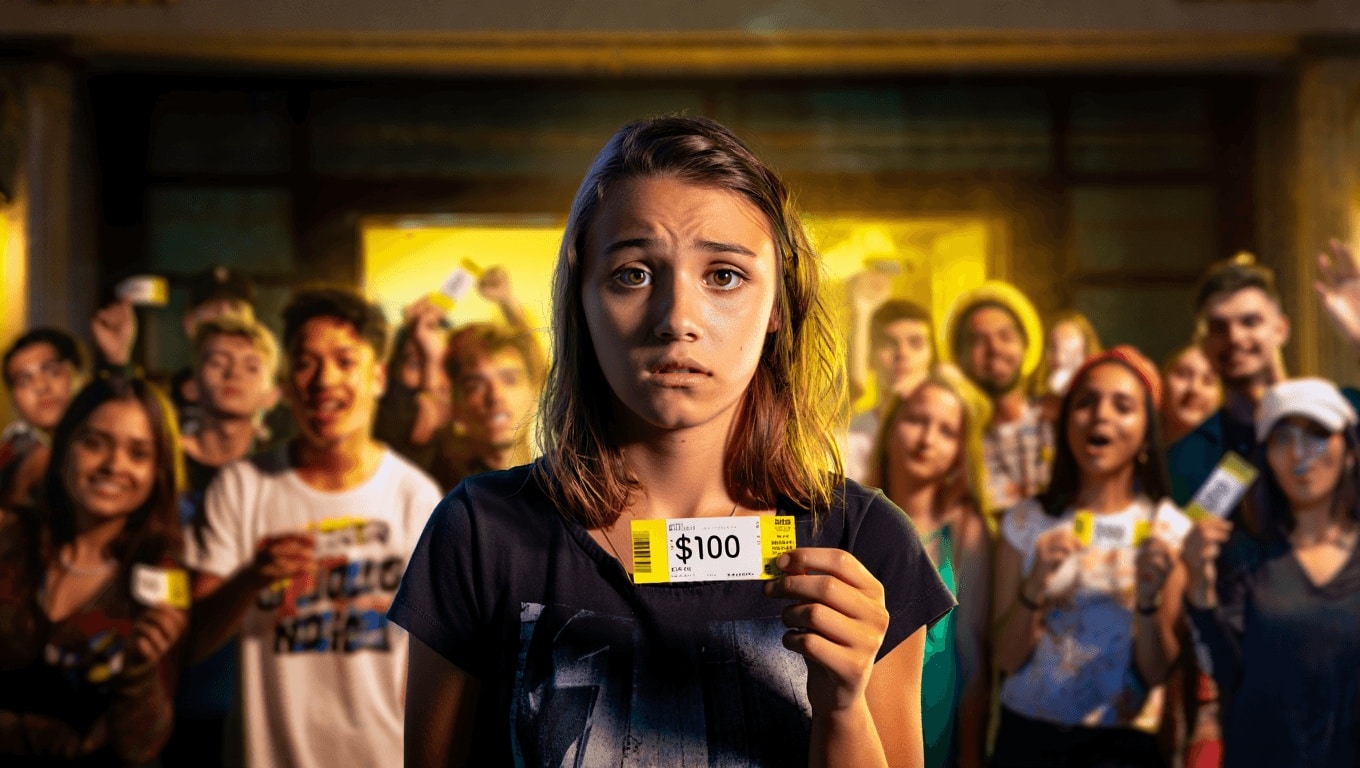
The landscape of live music has undergone a seismic shift over the past decade, with concert ticket prices skyrocketing to levels that many would have deemed unimaginable a few years ago. Once upon a time, fans could easily snag a ticket to see their favorite bands for a mere fraction of today’s prices. For example, back in 2009, attending a Green Day concert would only set you back about 40 euros. Fast forward to now, and those days are long gone, replaced by a reality where concertgoers must often brace themselves to part with hundreds of euros for a single night of entertainment.
This sharp rise in concert costs has created a palpable divide between artists and their fans, as the financial burden of attending live events becomes increasingly prohibitive. For those who once delighted in catching multiple shows over the summer, the current climate may only allow for one, if they’re lucky. Beyond the ticket price, attendees must also consider additional expenses, such as travel costs—fuel, tolls, or public transport—as well as food and beverages, especially during those sweltering summer concerts. While there are still exceptions, like the recent unforgettable performance by Marracash, the majority of major acts tend to perform during the hottest months of the year, making the experience all the more challenging for fans.
According to a 2024 report from SIAE, the average price of a concert ticket hovers around 37 euros, but in regions like Lombardy and Lazio, that average jumps to 50 euros—marking a staggering 100% increase compared to pre-pandemic times. To put it in perspective, attending Taylor Swift’s tour required fans to dig deep into their pockets, with ticket prices ranging from 100 to 200 euros, and some reaching dizzying heights of 800 euros.
Dominance of Major Ticketing Companies
The concert ticket market is largely dominated by two major players: the American company Live Nation and the German firm TicketOne. These companies not only control ticket sales but also manage artists and events, leaving little room for alternatives when fans want to attend a concert. Essentially, if you’re looking to buy a ticket, your options are limited to one of these two entities.
A recent ruling by a New York jury found Live Nation guilty of monopolistic practices, as it holds an astounding 80% market share while managing over 400 artists, including the likes of Vasco Rossi, who is already planning a massive concert for his 50th anniversary in the industry.
The Impact of Dynamic Pricing
Another factor contributing to the soaring ticket prices is the implementation of dynamic pricing. This algorithm adjusts ticket costs in real-time based on demand and various other parameters. Some critics liken this practice to legal scalping, noting that while the profits don’t go to scalpers, they flow to the artists and the platforms. The European Commission has taken an interest in this issue, but so far, there have been no indications of imminent changes.
Today, attending a live music event has sadly transformed into a luxury that many can no longer afford. It’s become commonplace to spend 100 or even 200 euros to see a favorite artist perform, prompting a moment of reflection on whether such expenditures should be the new norm.
Similar Posts:
- Concerts on BNPL: Nearly 25% of Americans Fund Entertainment — What It Means for Your Budget
- Concert Cancellations by Anastasio: Genuine Reason or Major Flop? Social Media Erupts!
- Mengoni Stops Concert to Protect Newborn Baby Brought by Mom: A Heartwarming Moment!
- Rolex Price Hikes 2026: Discover What You’ll Pay Starting January 1st!
- MTV’s Decline: How Social Media is Revolutionizing Music Consumption Forever

Jason R. Parker is a curious and creative writer who excels at turning complex topics into simple, practical advice to improve everyday life. With extensive experience in writing lifestyle tips, he helps readers navigate daily challenges, from time management to mental health. He believes that every day is a new opportunity to learn and grow.