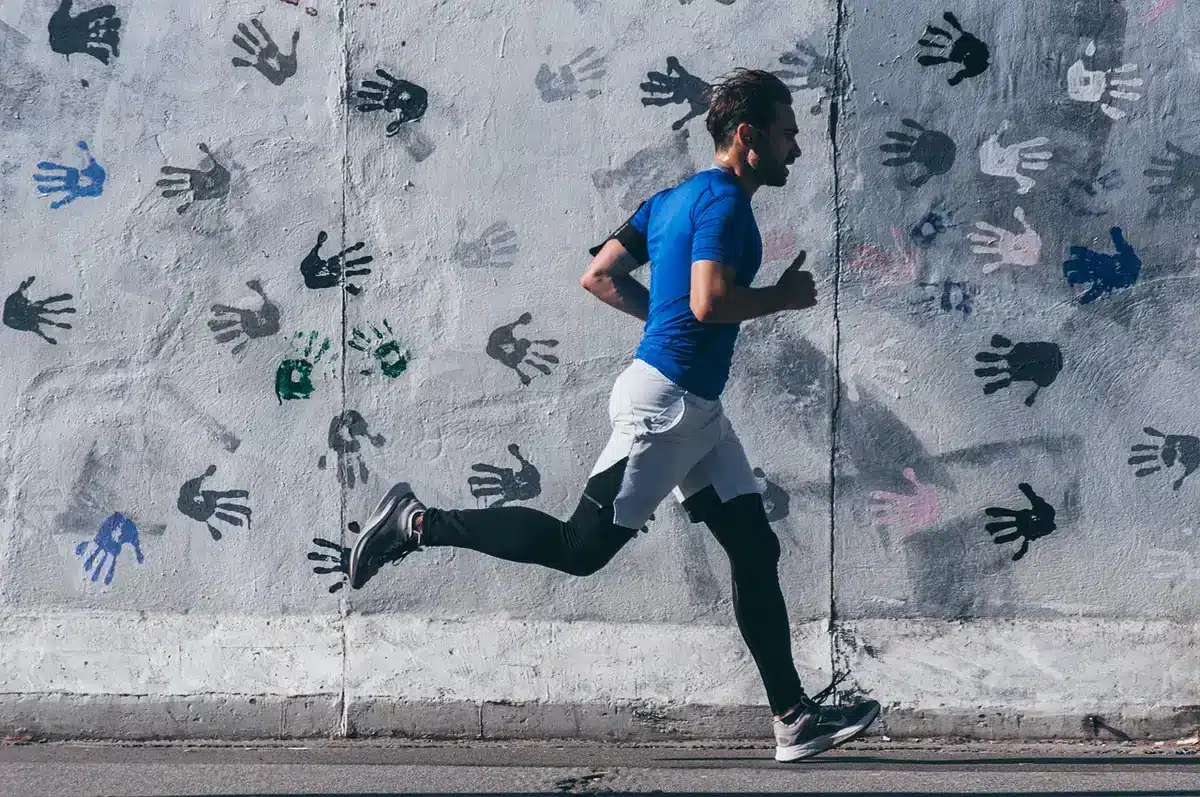
For many Italians, the rhythmic sound of sneakers hitting the pavement is a familiar part of their daily routine. Whether it’s early in the morning or just as the sun sets, jogging has become a popular way to stay fit and healthy. This simple yet effective form of exercise is often recommended by health professionals, as it engages the entire body, particularly the lower limbs. However, while many runners aim to shed a few pounds around their midsection, there are alternative methods to achieve a toned abdomen, such as enjoying a light, soothing breakfast.
Interestingly, most joggers maintain a brisk pace without considering the unique approach popularized in South Korea, which promotes a much slower, almost leisurely run. This alternative style, known as slow jogging, offers a different perspective on how to enjoy the activity while reaping its benefits.
Understanding Slow Jogging
Slow jogging, as the name suggests, involves moving at a relaxed speed of approximately 4 to 6 kilometers per hour. This translates to covering a kilometer in about 10 to 15 minutes. While it is well-known that taking 10,000 steps a day can greatly benefit heart health, the specific advantages of slow jogging are still being explored. This trend, gaining traction in South Korea, originated in Japan thanks to physiologist Hiroaki Tanaka.
This method is ideal for those who want to stay active without the intensity of traditional running. Initial skepticism may arise regarding calorie burning, but even at this gentle pace, participants will soon discover that they start to sweat. In fact, engaging in slow jogging for an extended period can be surprisingly demanding.

The Niko Niko Pace Principle
Central to the philosophy of slow jogging is the concept of the “Niko Niko Pace.” This principle suggests that if you find it challenging to speak or sing while moving, you might be pushing yourself too hard.
For those interested in giving slow jogging a try, the aim should be to achieve around 180 steps per minute—roughly three steps per second. It’s crucial to ensure that your foot lands mid-step rather than striking with the heel, and to keep your lift minimal.
Proper breathing is also essential. Experts recommend taking two short inhales followed by two gentle exhales, all synchronized with your steps.
Benefits and Reduced Injury Risk
For many enthusiasts in Korea, slow jogging offers comparable, if not superior, benefits to faster running, all while significantly lowering the risk of injury. The reduced stress on the legs and spine makes this method more accessible and safer for many. So, if you find yourself with an hour to spare this evening, consider trying out this brisk walking style. You might find it enjoyable enough to make it a regular part of your routine.
Similar Posts:
- Reverse Walking: The Latest Internet Craze – What You Need to Know!
- After months of launching trash-filled balloons, North Korea received a response in the form of drones—and didn’t like it
- 100 Years Young: Unlocking Longevity with Gym Sessions and a Veggie-Filled Diet!
- A YouTuber attempted to send a package to North Korea with a hidden AirTag; two months later, he finally got a reply
- Health Scam Alert: Don’t Click That Link in This Email or Face Serious Risks!

Jason R. Parker is a curious and creative writer who excels at turning complex topics into simple, practical advice to improve everyday life. With extensive experience in writing lifestyle tips, he helps readers navigate daily challenges, from time management to mental health. He believes that every day is a new opportunity to learn and grow.