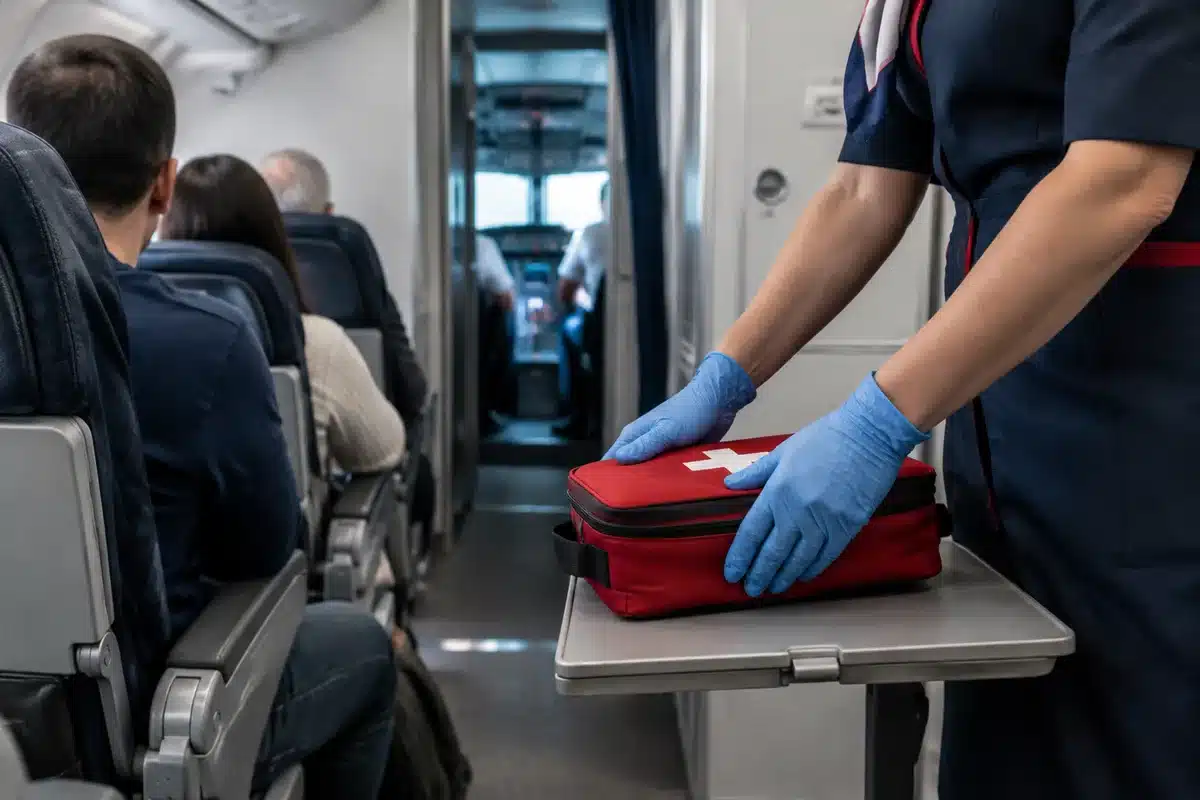
As summer approaches, many travelers find themselves preparing for long journeys by air, eager to reach their vacation destinations. However, what often goes unnoticed is the potential health risk associated with spending extended periods at high altitudes, particularly for certain individuals. The combination of confinement and limited mobility during flights can lead to serious issues, such as blood clots.
Dr. Gloria Modica, a sports medicine specialist, sheds light on this subject in her conversation with Il Fatto Quotidiano. She reassures travelers that while the risks do exist, they can be effectively mitigated through simple preventative measures. According to recent statistics shared by the World Health Organization, the incidence of travel-related thrombosis is estimated at one case for every 6,000 flights lasting more than four hours. However, this risk escalates significantly—two to three times—on flights exceeding eight hours.
Understanding Traveler’s Thrombosis
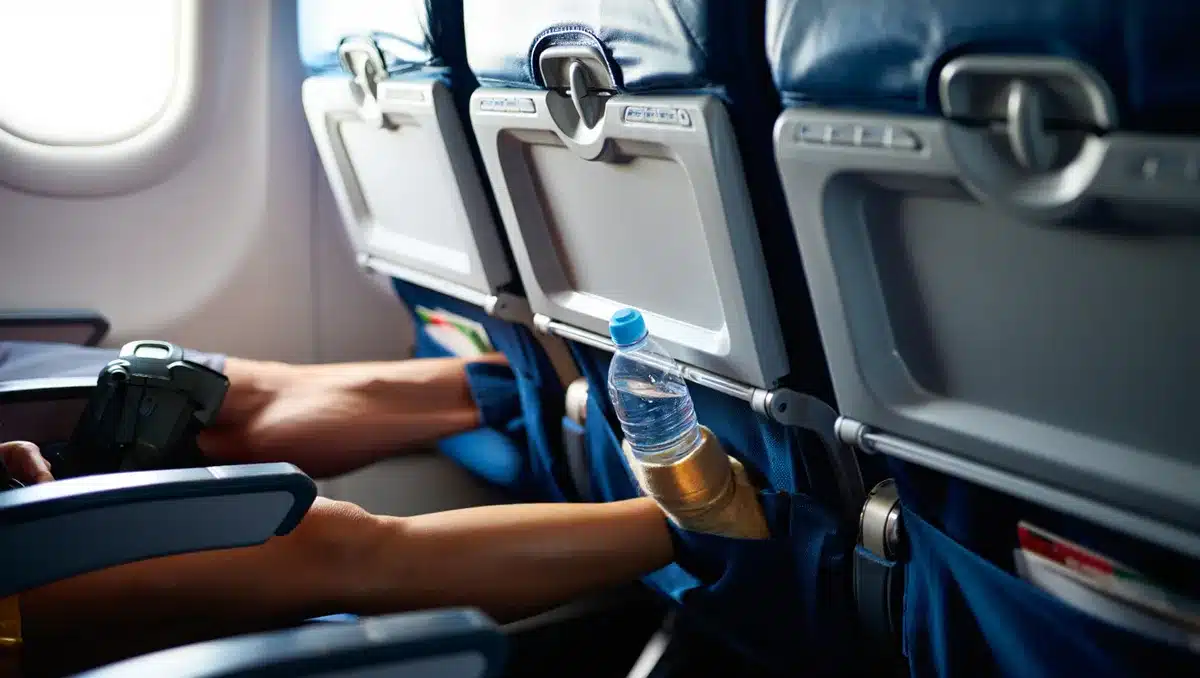
One of the primary concerns during long flights is the stagnation of blood in the lower limbs. This condition, known as **traveler’s thrombosis**, can develop due to prolonged immobility and the awkward positioning of the body, causing blood to unexpectedly clot in a vein. While the risk remains relatively low for most passengers, it’s essential to recognize the potentially grave nature of this issue.
Certain individuals face a higher likelihood of developing this condition due to **predisposing factors** such as smoking, obesity, insulin-dependent diabetes, and heart disease. The cabin’s pressurized environment contributes to this risk by reducing oxygen levels, which can promote blood clotting and dehydration, leading to increased blood viscosity.
Remaining stationary for extended periods, especially with legs crossed or in fixed positions, inhibits the body’s ability to effectively pump blood upwards, thereby increasing the chance of stagnation in the calves.

Who is at Greater Risk?
Dr. Modica explains that individuals with a history of pulmonary embolism or deep vein thrombosis, as well as those with a genetic predisposition to thrombophilia, should be particularly cautious in the weeks following a long flight. The danger is magnified with repeated long-haul flights taken in close succession.
Moreover, certain groups are inherently at greater risk, including:
– Patients currently undergoing cancer treatment
– Individuals recovering from major surgeries or fractures that necessitate prolonged immobility
– Pregnant women or those in the postpartum period

Debunking Common Myths
For those deemed at high risk, Dr. Modica recommends medical intervention, such as the use of **low molecular weight heparin** and the wearing of compression stockings with a pressure factor of 20-30 mmHg. Those experiencing lymph edema or heavy legs may opt for lighter compression socks, around 15-20 mmHg.
A popular misconception is the efficacy of low-dose aspirin for preventing venous thrombosis. Dr. Modica emphasizes that **there is no scientific evidence** to support this claim and advises against taking any medication without a physician’s approval.
To maintain healthy blood flow during flights, passengers should prioritize **hydration**. It’s recommended to drink at least 250 ml of water every hour while avoiding alcohol before and during the flight, as it can lead to dehydration.

The Window Seat Dilemma
Research indicates that the confined space of economy class does not significantly increase the risk of thrombosis compared to other seating classes. However, passengers seated next to the **window**, particularly those who are obese, face double the risk. The reduced ability to move freely in this position contributes to the heightened danger.
Regular **movement** is vital for preventing blood clots. Dr. Modica suggests that travelers should:
– Shift their feet back and forth (toes and heels) every 30-60 minutes
– Perform calf, thigh, and glute muscle contractions, holding each for five seconds
– Engage in hand movements and neck and shoulder rotations
– Take short walks down the aisle every one to two hours
By incorporating these simple practices into their travel routine, passengers can significantly reduce their risk of complications during long flights.
Similar Posts:
- United Airlines Revolutionizes Long-Haul Flights: Seats Transformed into Beds!
- Low-Cost Flights: Top Tips for Booking the Best Prices!
- Sleep Like First Class: Discover the Secret to Golden Dreams in Today’s Economy!
- Combat Dementia: Essential Habits to Adopt Starting at 45 for a Healthier Mind!
- Air Travel in War Zones: How Airlines Navigate Dangerous Skies

Jason R. Parker is a curious and creative writer who excels at turning complex topics into simple, practical advice to improve everyday life. With extensive experience in writing lifestyle tips, he helps readers navigate daily challenges, from time management to mental health. He believes that every day is a new opportunity to learn and grow.