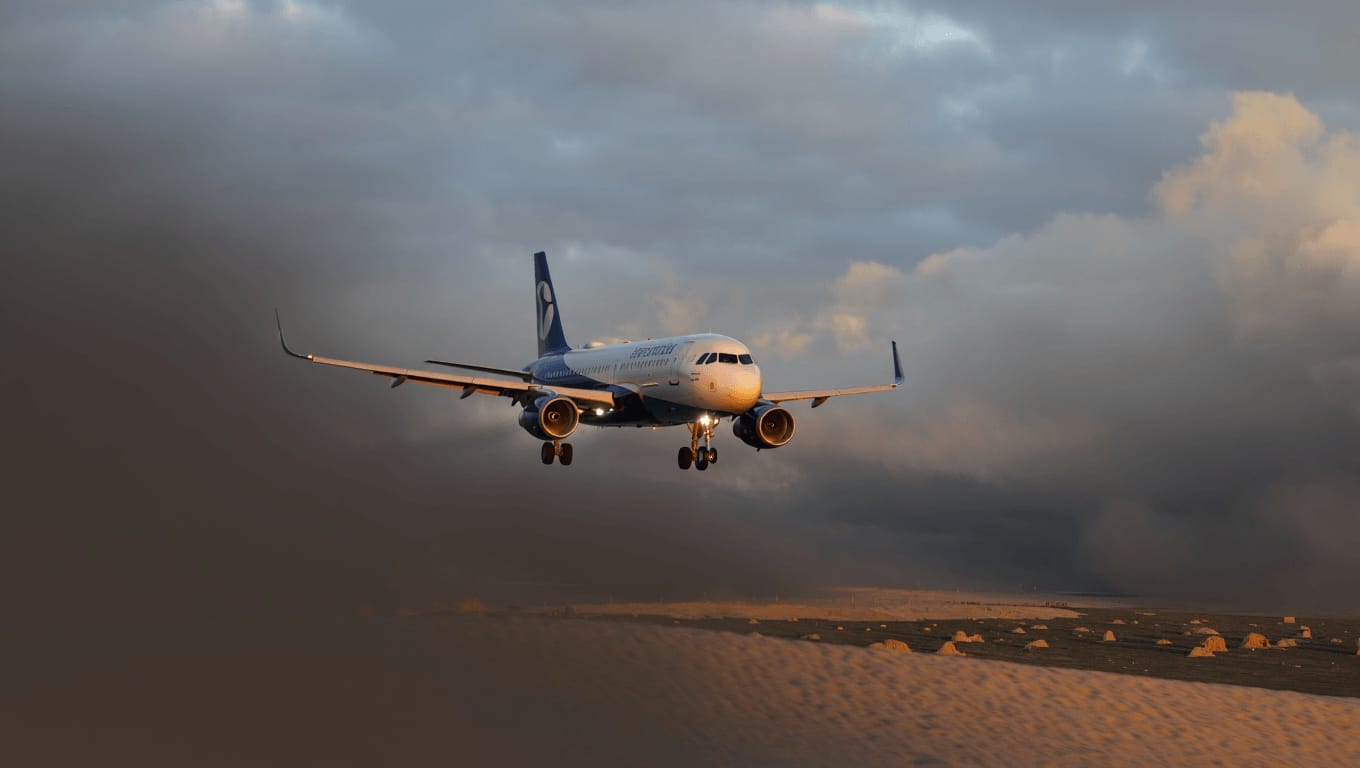
In recent times, the escalating tensions in the Middle East have cast a significant shadow over international air travel, leading to numerous flight cancellations and a complete overhaul of many air routes. The question arises: how do airlines manage to keep flying amidst such turmoil? The answer lies in their ability to adapt, particularly by altering their flight paths to ensure safety while navigating through these challenging circumstances.
Airlines are now opting for more secure routes, even if that means longer journeys for their passengers. This shift has resulted in an increase in travel times and a noticeable concentration of flights along certain corridors. With less airspace available, many of these routes are experiencing heightened congestion, complicating the already delicate balance of air traffic management.
Air Traffic Control: The Unsung Heroes
In this intricate web of flight adjustments, air traffic controllers play a pivotal role. Their task has become more demanding, as they are responsible for coordinating a greater number of aircraft than usual. This scenario necessitates an exceptional level of focus and longer shifts, often accompanied by **more frequent breaks** to maintain safety standards.
Adapting to New Norms
Pilots and crew members are also making necessary adjustments, such as departing with additional fuel reserves. This strategic move enables them to either change course if needed or divert to alternative airports during emergencies.
The Passenger Experience
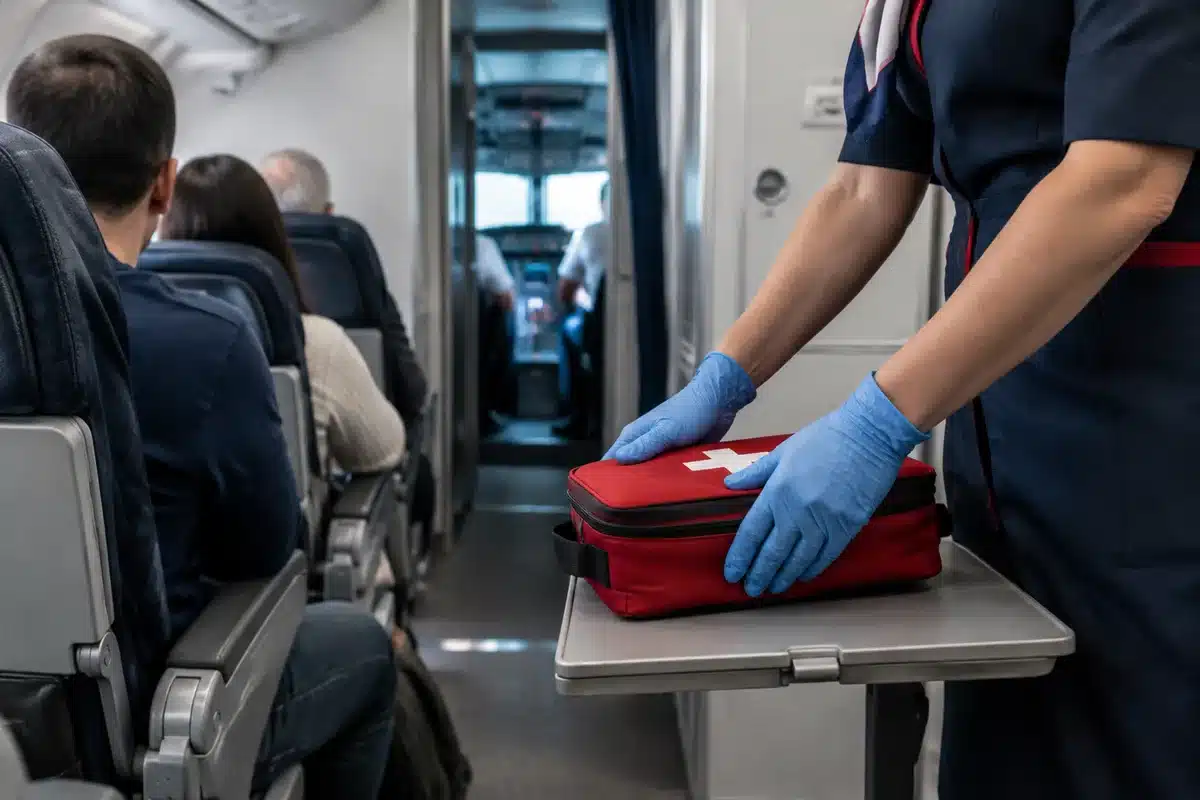
For travelers, the situation can often lead to increased anxiety. Here, cabin crew members step in to alleviate concerns and manage any unease among passengers during flights. Their training equips them to handle various situations, providing reassurance when it is most needed.
Flight Cancellations and Adjustments
Despite the best efforts of airlines, not all routes can be salvaged. In many instances, **carriers are left with no choice** but to cancel flights, particularly in regions most affected by the conflict. In response, some airlines are reorganizing their networks, striving to maintain connections even if this results in reduced frequency and longer travel times.
Future of Air Travel in Uncertain Times
The ongoing geopolitical landscape continues to influence air travel, requiring constant vigilance and adaptability from all stakeholders involved. As airlines navigate these turbulent skies, passengers can expect a journey that may be longer but, with the right preparations, remains as safe as possible.
Similar Posts:
- Flight Canceled: Passengers Furious as Woman Refuses to Buckle Seatbelt!
- Flights Canceled and Prices Soaring: Is This Summer a Disaster for Italians?
- Turbulence Terror: How to Conquer Your Fear While Flying from Bangkok to Rome
- Terror on Tel Aviv Flight: Co-Pilot Stabs Captain in Cockpit Amid Ongoing Mysteries
- United Airlines Revolutionizes Long-Haul Flights: Seats Transformed into Beds!

Jason R. Parker is a curious and creative writer who excels at turning complex topics into simple, practical advice to improve everyday life. With extensive experience in writing lifestyle tips, he helps readers navigate daily challenges, from time management to mental health. He believes that every day is a new opportunity to learn and grow.