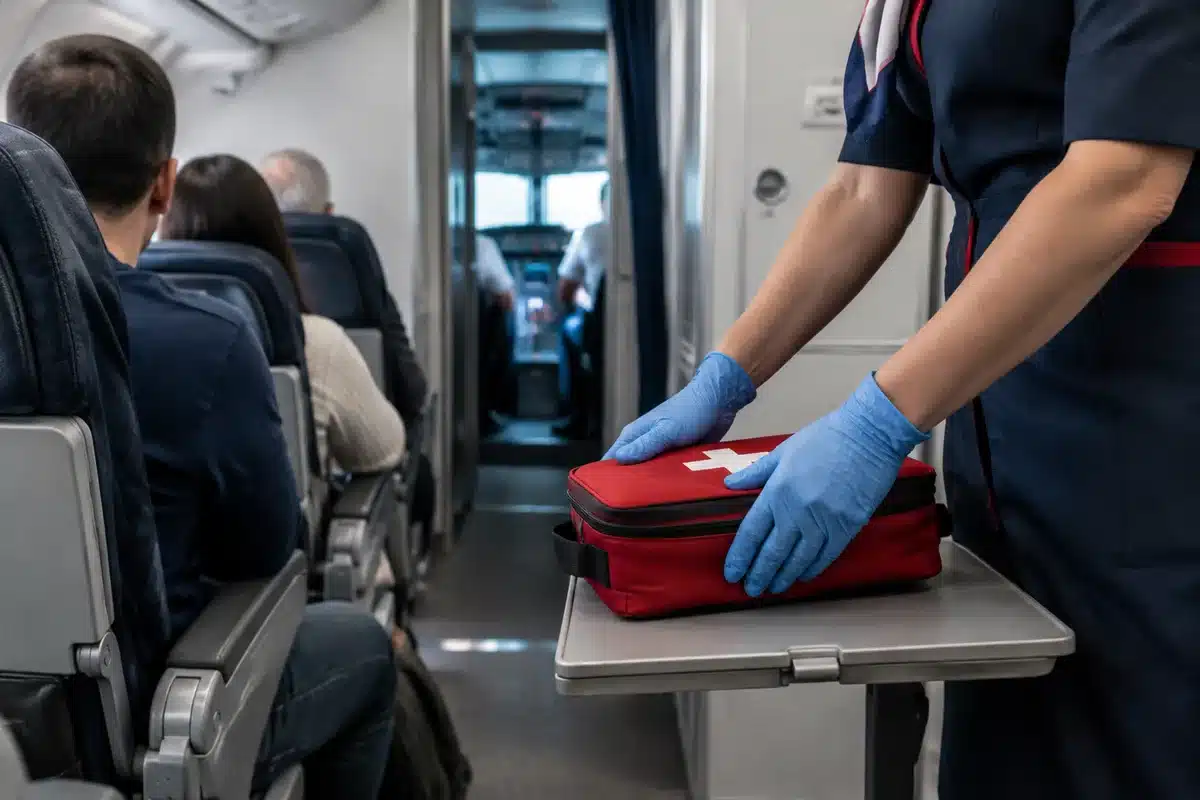
A flight from Bangkok to Rome turned into a nightmare for passengers aboard ITA Airways as they encountered severe turbulence. The incident left two flight attendants needing medical attention upon landing at Fiumicino Airport. This unsettling episode highlights the critical importance of maintaining proper behavior during flights. However, there’s a glimmer of hope on the horizon—thanks to advancements in artificial intelligence, turbulence may soon become less of a concern.
Last May, a tragic incident occurred when a 73-year-old passenger on a Singapore Airlines flight from London lost his life, likely due to a heart attack exacerbated by intense turbulence. In mere moments, the aircraft plummeted by about 6,500 feet, causing chaos in the cabin as overhead compartments burst open and oxygen masks deployed. Such harrowing experiences remind us of the unpredictable nature of air travel.
Understanding Turbulence and Its Causes
Data from RaiNews reveals that since 1979, when satellite systems began monitoring turbulence, three fatalities have been reported on commercial flights attributed to this phenomenon. The last recorded incident, according to the U.S. Federal Aviation Administration (FAA), occurred in 2009. But what exactly does it mean to encounter turbulence? In the case of the Singapore Airlines flight, it was described as encountering an “air pocket,” which reflects the erratic movements of air.
Turbulence affects aircraft, resulting in sudden changes in altitude or angle of attack. Several factors contribute to turbulence, including:
– Storms or jet streams
– Airflow around mountains
– Atmospheric pressure
– Fast-moving air at higher altitudes
Turbulence is typically classified into three categories: light, moderate (affecting approximately 3% and 1% of flights, respectively), and severe, which occurs less frequently.
The Dangers of Clear Air Turbulence
Clear air turbulence is particularly hazardous as it offers no visible warning signs. It often strikes when the seatbelt sign is turned off, leaving passengers vulnerable. Experts warn that this type of turbulence may become increasingly common due to climate change, which destabilizes jet streams and increases wind speeds.
Can Turbulence Bring Down an Airliner?
While turbulence alone is unlikely to cause a commercial airliner to crash, concerns grow regarding private jets and ultralight aircraft. Between 2009 and 2022, the FAA recorded 38 fatalities due to turbulence in these smaller aircraft. It’s vital for passengers to be aware of safety measures that can help prevent serious injuries during turbulence, depending on whether they are seated or standing.
Safety Tips During Turbulence
For passengers seated in their places:
– Ensure your seatbelt is fastened securely.
– Keep your tray table stowed.
In contrast, if a passenger is standing, there’s little that can be done, as turbulence can throw individuals against the ceiling or overhead compartments, causing heavy luggage and other items to become projectiles. Notably, 80% of the 146 serious injuries reported on commercial flights from 2009 to 2022 involved crew members.
Navigating turbulence remains an essential aspect of air travel, and understanding its nature can help passengers prepare for the unexpected. With advancements in technology and a growing awareness of safety protocols, the hope is that flying will become safer and more comfortable for everyone.
Similar Posts:
- Flight Canceled: Passengers Furious as Woman Refuses to Buckle Seatbelt!
- Air Travel in War Zones: How Airlines Navigate Dangerous Skies
- Terror on Tel Aviv Flight: Co-Pilot Stabs Captain in Cockpit Amid Ongoing Mysteries
- Tension on Tap Flight from Rome to Lisbon: Tail Hits Runway During Takeoff!
- United Airlines Revolutionizes Long-Haul Flights: Seats Transformed into Beds!

Jason R. Parker is a curious and creative writer who excels at turning complex topics into simple, practical advice to improve everyday life. With extensive experience in writing lifestyle tips, he helps readers navigate daily challenges, from time management to mental health. He believes that every day is a new opportunity to learn and grow.