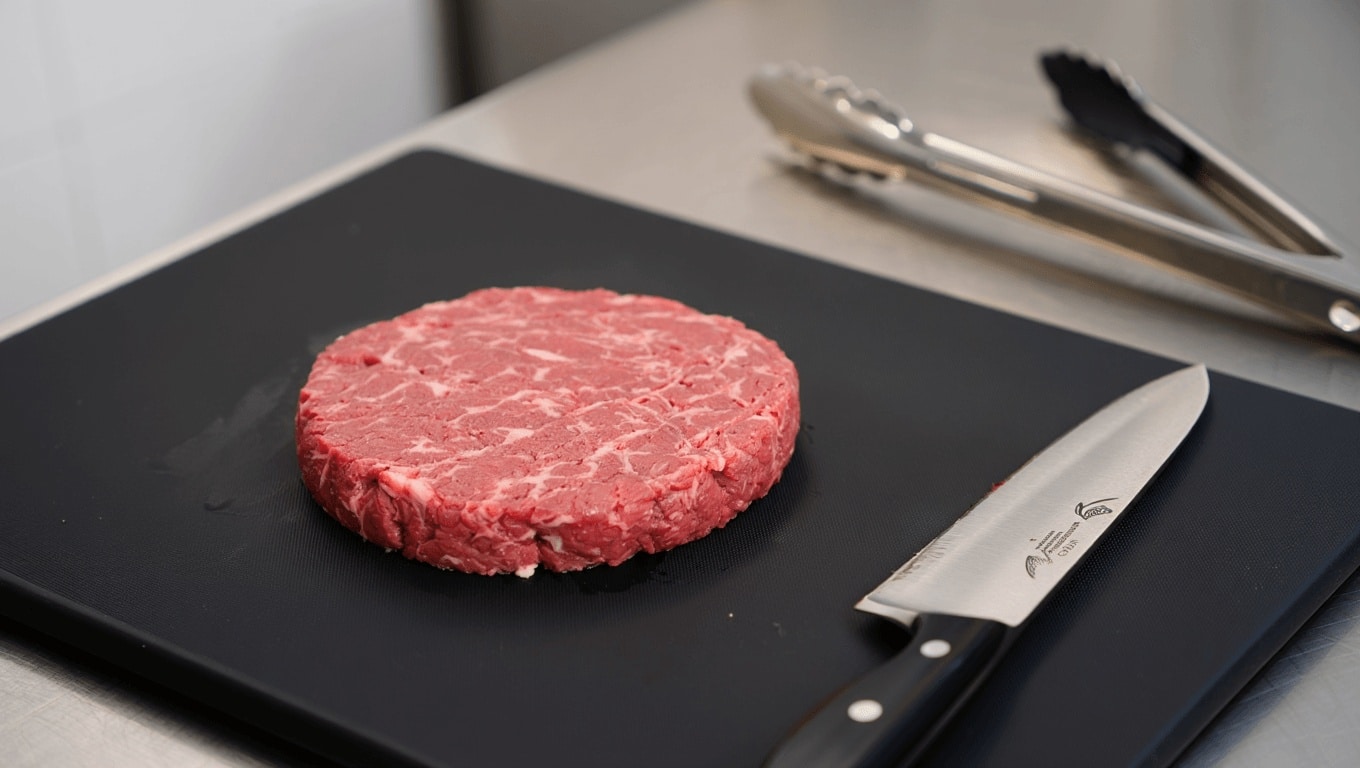
When it comes to grilling juicy burgers, opinions vary widely. Some prefer a perfectly cooked patty, while others enjoy the thrill of a rare or medium-rare finish. However, a crucial question arises regarding the safety of consuming rare meat. Cristian Panarelli, a food technologist, sheds light on this topic, bringing essential insights that every burger enthusiast should consider.
In a recent discussion with La Cucina Italiana, Panarelli made a strong statement: “Eating a rare hamburger is not advisable due to a significantly high risk of contamination from various microorganisms, ranging from salmonella to E. coli. It’s essential to cook it thoroughly.” This warning prompts us to explore why indulging in a rare hamburger might be riskier than one might think.
Understanding the Risks of Rare Meat
Why is it that rare burgers pose such a threat? As Panarelli explains, during the grinding process, bacteria from the outer surfaces of the meat can mingle with the interior. This cross-contamination makes proper cooking the only reliable way to mitigate potential health risks.
Timing and Safety
A common misconception is that the timing of meat preparation affects safety. “The safety of meat is not determined by when it is ground; it always comes down to cooking it properly,” the expert emphasizes. This is particularly true for homemade ground beef, where the risk of contamination is even higher due to the lack of professional-grade equipment for safe meat handling.
Cooking Guidelines for Safe Consumption
To enjoy a hamburger without concerns, it is crucial to cook it for 2 to 3 minutes at a temperature of 70 degrees Celsius. For those without a thermometer, a simple visual cue can suffice: if the interior of the meat turns a grayish color, it is generally safe to eat.
The Case of Tartare
This leads many to question the safety of *tartare*. Why can this dish be consumed raw? According to Panarelli, the difference lies in the meticulous handling of the meat: “Tartare must be preserved, cut, and handled under strict hygiene standards using professional tools. This is not the case in most home kitchens, where contamination risks are significantly higher.”
Whole Cuts vs. Ground Meat
When it comes to steaks and whole cuts, the rules change. Beef can be enjoyed rare if it has been stored correctly. The reason? Most bacteria reside on the outer surface. Even if the inside remains undercooked, any potential pathogens are typically eliminated by surface cooking.
Pork Safety Concerns
In contrast, the same cannot be said for *pork*. “Pork should not be eaten rare as it may harbor parasites within the muscle tissue. These are only killed through thorough cooking,” Panarelli warns. Interestingly, recent studies have even suggested that pork might contribute to longevity.
Labeling Myths
You may have noticed labels such as “choice meat” or “prime quality” on packaging. However, these terms are often just marketing slogans without legal definitions.
“Such labels do not guarantee microbiological safety. Producers typically use them to indicate higher quality cuts or breeds, but they do not dictate food safety,” Panarelli concludes, dispelling any myths surrounding meat quality indicators.
With this knowledge, you can make informed choices the next time you fire up the grill, ensuring that your culinary delights are both delicious and safe.
Similar Posts:
- Stop Eating Pre-Packaged Salad: Discover the Dangerous Mistake You’re Making!
- Listeria Alert: Lidl Recalls Deluxe Salmon – Check Your Expiration Dates Now!
- Steak Showdown: Is the €180 per Kilo Price Tag Justified in This Blind Taste Test?
- Best Supermarket Rice Revealed: Altroconsumo Crowned Famous Brand!
- Egg Storage Secrets: Common Mistakes and Tips for Keeping Eggs Safe and Fresh!

Jason R. Parker is a curious and creative writer who excels at turning complex topics into simple, practical advice to improve everyday life. With extensive experience in writing lifestyle tips, he helps readers navigate daily challenges, from time management to mental health. He believes that every day is a new opportunity to learn and grow.