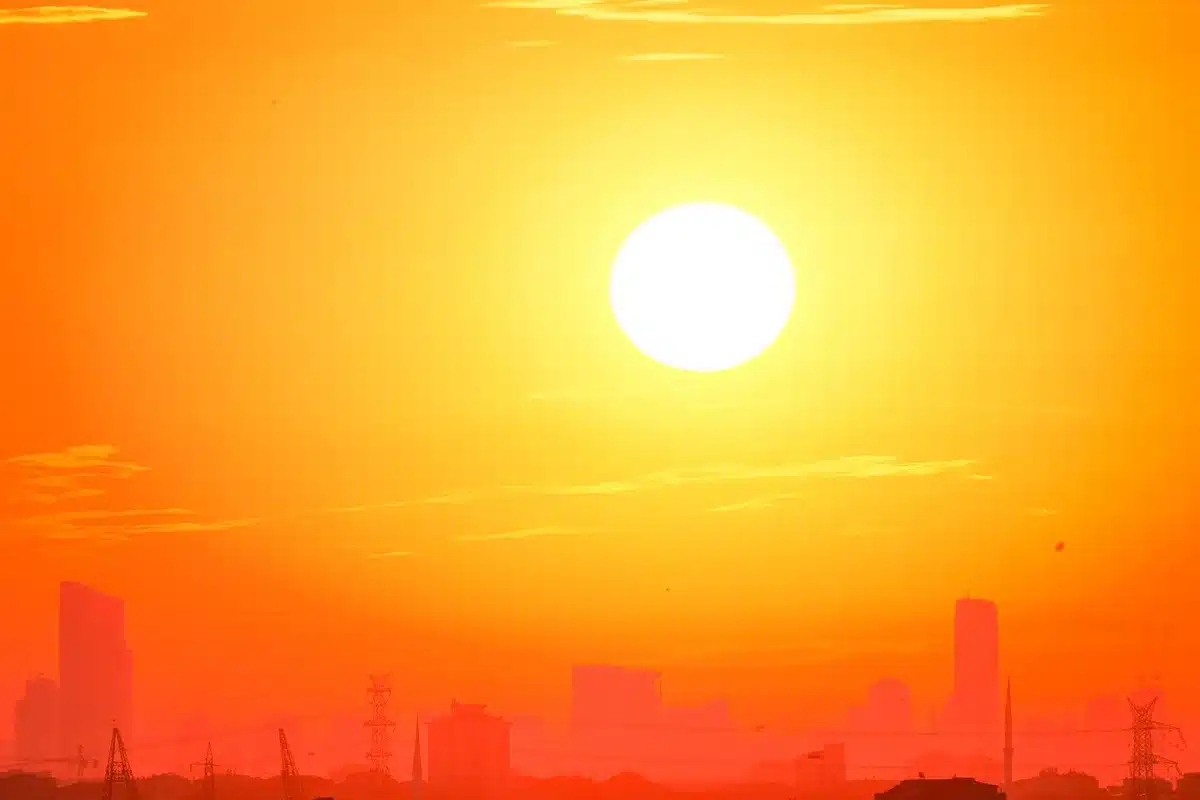
As we approach the summer of 2026, discussions around climate change are becoming increasingly urgent. This upcoming season is poised to be one of the hottest on record, stirring memories of past heatwaves that seemed unprecedented at the time. Among those memories, the scorching summer of 2003 stands out, a season that set benchmarks for what extreme heat can entail. What happened back then offers a sobering glimpse into our current climate reality, and it begs the question of how much has really changed since then.
Reflecting on 2003, we can draw parallels with today’s climate patterns, but we must also recognize the stark differences that define our current situation. The heatwave of 2003 was a singular event, while the rising temperatures of recent years have become a troubling trend. Let’s delve into the specifics of that infamous summer and explore how it compares to what we can expect in 2026.
Summer 2003: A Record Heatwave
The summer of 2003 kicked off with an unrelenting heat that began in June and persisted well into September. Historical records from IlMeteo.it reveal that cities like Milan experienced an astonishing 84 days during those three months where temperatures soared above 30 degrees Celsius. Notably, August 2003 reached a staggering peak of 39 degrees, with daily highs remaining consistently above 30 degrees throughout the month. The nights offered little relief, as only five occasions saw temperatures dip below 20 degrees. Even September held onto the heat, with temperatures climbing back to 30 degrees on several days, stretching until the 22nd.
Interestingly, this intense heat occurred without the influence of the much-feared Super El Niño, a phenomenon currently affecting our climate with notable intensity. The summer of 2003 was characterized by record-breaking temperatures, but it was also an anomaly in the broader climatic pattern of the time.
Contrasting 2003 with 2026
What sets apart the summer of 2003 from what we might face in 2026? The key distinction lies in the nature of these heat events. The summer of 2003 was a one-off occurrence, whereas the last decade has seen a troubling rise in persistent heatwaves that seem to follow a relentless pattern. The climate data indicates that what was once considered extraordinary has now become the norm. As atmospheric physicist Lorenzo Giovannini from the University of Trento aptly noted, “What was exceptional 20 years ago is now standard.”
This shift in climate patterns raises significant concerns. With each passing year, we witness heatwaves that not only last longer but also grow in intensity, making it increasingly difficult to predict how future summers will unfold. The implications of this trend are profound, affecting not just our environment but also our health, agriculture, and overall quality of life.
Understanding the trajectory from 2003 to 2026 is crucial as we continue to grapple with the realities of climate change. The lessons from the past remind us of the importance of taking immediate action to mitigate rising temperatures and their associated impacts.
Similar Posts:
- Heatwave End Date Revealed: Giuliacci Shares the Most Anticipated News!
- Weather Alert: 10-Degree Temperature Drop Signals Fall’s Arrival – Discover 2026’s Best Summer Words!
- Heat Waves Blamed on Big Industry? New Study Points Fingers at Major Companies!
- Hurricane Erin Hits Italy: What to Expect as It Advances into Europe
- Summer in San Martino: Enjoy 10 Degrees Above Average Temperatures – Where and When to Go!

Jason R. Parker is a curious and creative writer who excels at turning complex topics into simple, practical advice to improve everyday life. With extensive experience in writing lifestyle tips, he helps readers navigate daily challenges, from time management to mental health. He believes that every day is a new opportunity to learn and grow.