Sending a package, whether it’s for an online return or a thoughtful gift to a distant relative, has become a surprisingly costly affair. Traditional courier services can quickly add up when packages exceed size limits, require expedited delivery, or are destined for remote locations. However, there is an innovative solution that allows you to navigate around these rising costs.
Imagine a delivery system that operates similarly to carpooling—we’re talking about crowdshipping. This modern approach connects individuals who need to send items with those already traveling along the same route. It’s an efficient way to leverage existing journeys, making the entire process not only more affordable but also more sustainable. Let’s delve into how this clever system works and what it means for senders and transporters alike.
The Mechanics of Crowdshipping
Crowdshipping embodies the same spirit as the popular ridesharing service BlaBlaCar. In this model, individuals who are already on the move—whether for work, study, or personal reasons—offer up the spare space in their vehicles, be it in a trunk or a backpack.
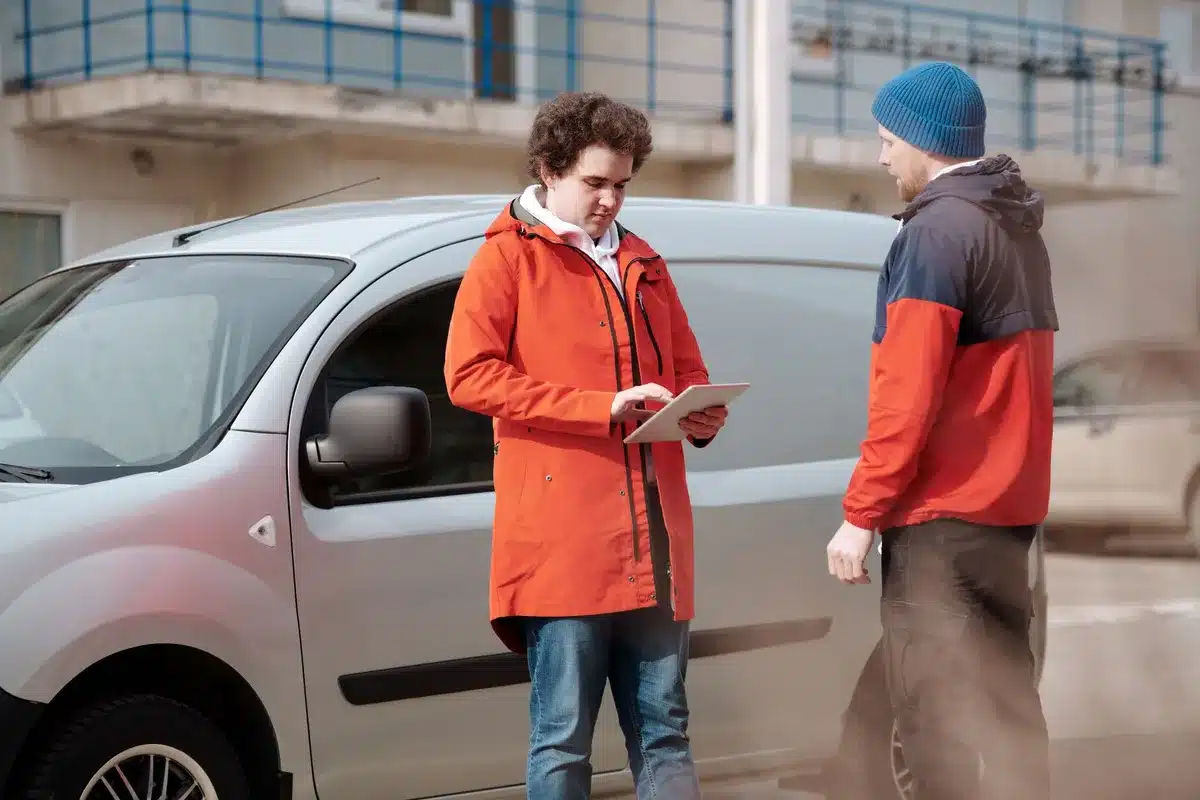
Dedicated apps serve as the bridge between two key players: the sender, who needs to deliver an item to a specific address, and the occasional transporter, who is willing to carry the package along their established route. An automatic matching algorithm efficiently pairs supply and demand, streamlining the entire process.
Cost Savings, Timing, and Environmental Impact
The beauty of this system lies in its inherent cost savings. Since the journey is already happening, there are no additional storage fees, sorting hubs, or logistical infrastructure costs included in the pricing. This translates to lower shipping costs for the sender, while providing a small incentive for the transporter.
Moreover, delivery times are significantly shortened. There’s no need to adhere to the rigid pickup schedules of traditional couriers; often, packages arrive on the same day, simply following the transporter’s pre-planned route. This not only reduces the number of dedicated delivery vans on the roads but also has a positive effect on CO₂ emissions and urban traffic.
Available Platforms in Italy
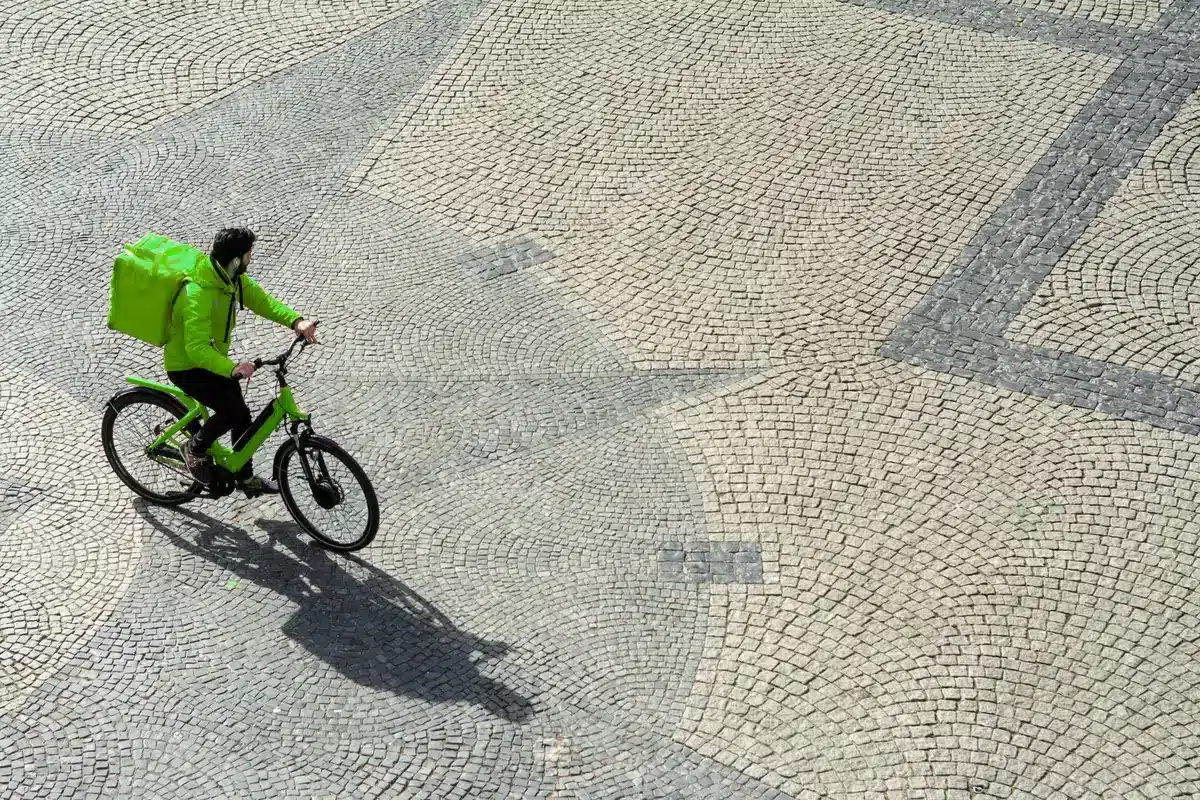
In Italy, several platforms have emerged, each catering to different needs. **SiWeGo** focuses on connecting drivers for **intercity** and **extraurban** routes, utilizing the trunk space of those traveling between cities. In contrast, **Take My Things** specializes in **short-range urban deliveries**, sometimes managing to fulfill shipments within an hour of the request.
This same model also extends to local pharmacies and e-commerce businesses, which rely on neighborhood residents to deliver urgent medications or recent online purchases.
Ensuring Safety and Tracking
Safety is paramount in crowdshipping, achieved through **verified profiles**, user reviews after each delivery, and **real-time GPS tracking** of the package’s journey.
Payments are securely processed within the app, which often includes a basic **insurance coverage** for the goods being transported, providing peace of mind for both senders and transporters alike.
Similar Posts:
- A YouTuber attempted to send a package to North Korea with a hidden AirTag; two months later, he finally got a reply
- A Tesla owner charging their vehicle at home saw their electricity bill rise by 20-30%, but they’re still saving money
- Switching Banks: What You Need to Know Before Making the Move!
- New Tax System 2026: Pay Your Taxes Directly from Your Bank Account!
- Ryanair Shocker: €15,000 Compensation Awarded for Disrespectful Passenger Incident

Jason R. Parker is a curious and creative writer who excels at turning complex topics into simple, practical advice to improve everyday life. With extensive experience in writing lifestyle tips, he helps readers navigate daily challenges, from time management to mental health. He believes that every day is a new opportunity to learn and grow.