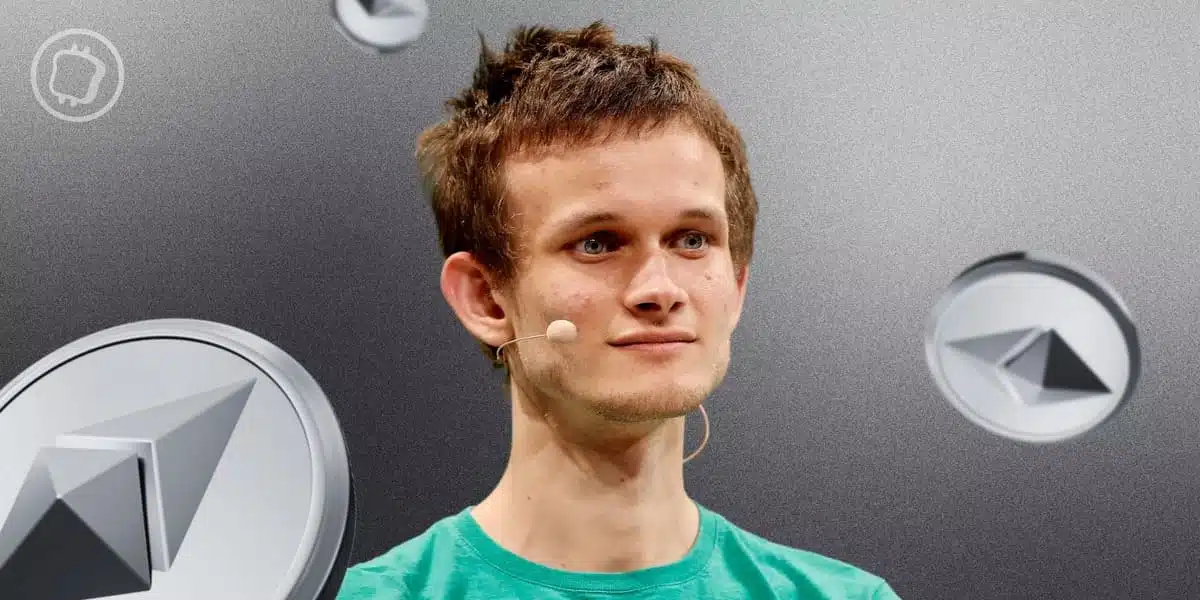
Is 2025 the year Ethereum faces its final test? For many in the cryptocurrency space, Ethereum’s dominance is in decline, and competitors like Solana are quickly gaining ground. Even though Ethereum’s founder, Vitalik Buterin, remains relatively unconcerned with the blockchain’s future, there are growing concerns that the network is losing its edge.
Ethereum’s Struggles: Is It Losing Its Grip?
Ethereum was once the cornerstone of the crypto ecosystem, the blockchain where everything from DeFi to NFTs and memecoins was created. However, recent developments have shown that Ethereum is no longer the leader it once was. The network is becoming slower and more expensive, with Layer 2 solutions like Base and Arbitrum becoming more popular alternatives for users who want faster, cheaper transactions.
The rise of Solana, a faster and cheaper blockchain, has stolen a lot of Ethereum’s market share. Solana is gaining traction because it allows developers to build quickly without the complex operations required by Ethereum’s mainnet. Even the Ethereum Foundation, once considered the stabilizing force for Ethereum’s Web3 ecosystem, is struggling, while Solana’s foundation is seen as a model for success.
According to a recent report by VanEck, this decline in Ethereum’s dominance is mainly due to the erosion of its core strengths. What made Ethereum unique is being chipped away by faster, cheaper competitors, and that’s leaving many investors worried about Ethereum’s long-term viability.
Pectra Update: Ethereum’s Last Hope?
So, can Ethereum recover, or is it too late? The upcoming Pectra update may be the last hope for the network, offering potential solutions to the problems plaguing Ethereum’s blockchain. Ethereum has always been a jack-of-all-trades, trying to do everything at once—this makes it both incredibly powerful and prone to inefficiency.
Pectra aims to fix these issues, but it’s no easy feat. One of the key changes is the introduction of “blobs”, which will allow for faster processing of transactions on Ethereum’s Layer 2 networks. Essentially, blobs will help the Ethereum mainnet handle more transactions quickly while reducing transaction fees. This is a crucial step in addressing Ethereum’s scalability issues without compromising its broader functionality.
Another change that Pectra will bring is how transactions are processed. Rather than sending transaction requests directly to the blockchain, users will send “intentions”—essentially requests for results. For example, instead of instructing the blockchain to “send 1 ether to address X,” a user will simply state, “I want address X to receive 1 ether from me.” This change might seem small, but for more complex transactions, it could eliminate the need for risky and complicated bridges, which have often been the cause of hacks and errors in the past.
Validators on Ethereum will become “solvers”, working to find the fastest and most efficient path for each transaction. This change could eliminate the need for complex operations and reduce security risks while improving transaction times.
Can These Changes Save Ethereum?
While these changes seem like a step in the right direction, the big question remains: will they be enough to secure Ethereum’s future? The upcoming Pectra update could address many of the network’s current issues and improve Ethereum’s efficiency, but only time will tell if it will be enough to hold off competitors like Solana and regain investor confidence.
One thing is clear: Ethereum’s current trajectory is uncertain, and 2025 might be its last chance to reassert itself as the leader in the cryptocurrency space. The success of Ethereum’s upgrades, including Pectra, could significantly impact its price and its ability to dominate the Web3 ecosystem moving forward.
As the blockchain landscape continues to evolve, Ethereum faces increasing competition, but its efforts to innovate and adapt may still keep it in the race. Will these updates propel Ethereum to new heights, or will they be too little, too late? The coming months and years will tell if Ethereum can reclaim its spot at the top or if its time has passed.
Similar Posts:
- Solana overtakes Ethereum: what this historic flippening means
- Ethereum co-founder Joe Lubin defends Layer 2s and reveals the network’s future
- Ethereum in Crisis: How the Explosion of L2 Could Spell Its End
- Altcoins vs. Bitcoin: the top challengers to watch in 2025
- Why Ethereum’s price crashed 50% in just three months?

Jason R. Parker is a curious and creative writer who excels at turning complex topics into simple, practical advice to improve everyday life. With extensive experience in writing lifestyle tips, he helps readers navigate daily challenges, from time management to mental health. He believes that every day is a new opportunity to learn and grow.