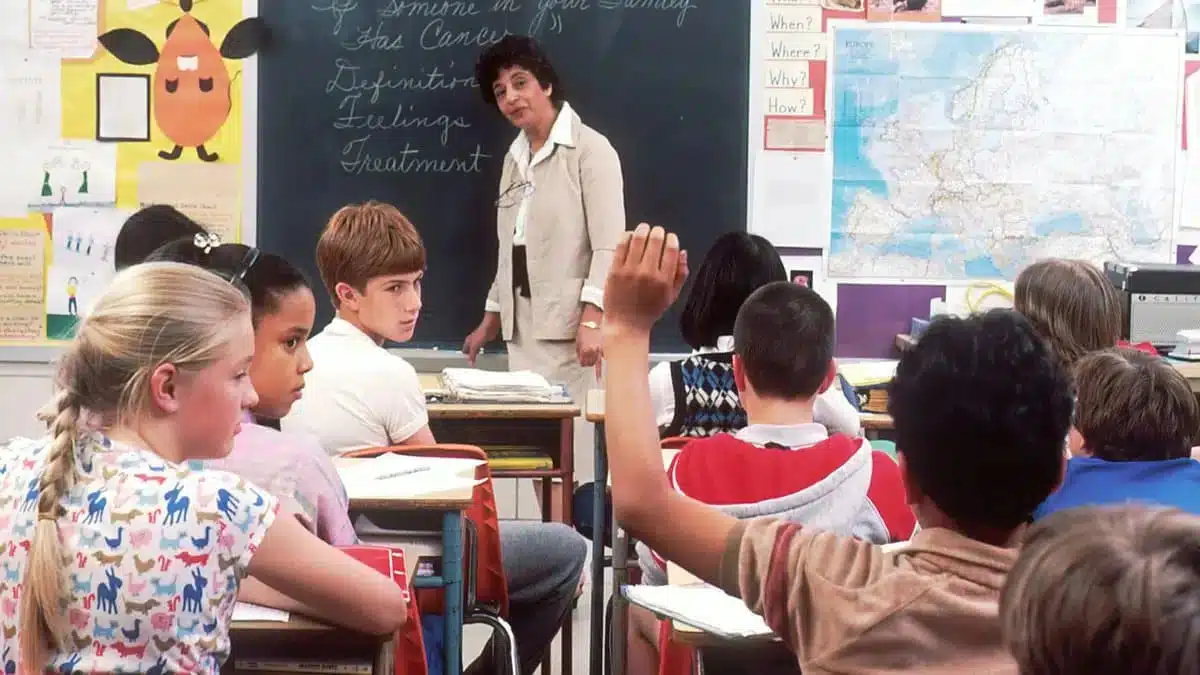
In 2009, Sweden made a bold move to modernize its education system by replacing traditional textbooks with computers and digital tools. The goal was to prepare students for an increasingly tech-driven world. Fast forward to 2024, and the Swedish government is investing €104 million to reverse this decision, bringing printed textbooks back into classrooms. What has led to this dramatic shift, and what does it mean for the future of education?
A Decision Focused on Innovation
When Sweden made the decision to digitalize its schools, it was seen as a major step forward. The vision was to make learning more engaging, accessible, and efficient by integrating technology like computers and tablets. The government of the time believed that by replacing printed textbooks with digital alternatives, students would have more interactive and personalized learning experiences. The idea was that technology would help students better connect with the world around them, creating a more flexible and cost-effective system in the long term.
However, things didn’t unfold as expected. Despite Sweden’s continued high ranking in global education, several recent studies and feedback from parents and teachers have raised concerns about the long-term effects of this digital transition.
The Growing Criticism of Screens in Education
As the years passed, criticisms about the overuse of screens in the classroom began to surface. Studies have pointed out that reading on digital devices, especially those with backlit screens, can lead to eye strain and reduce concentration. Research has also suggested that reading on screens may negatively impact memory and comprehension compared to reading on paper.

Beyond these effects on reading, digital devices have become a constant source of distraction. Instead of focusing on lessons, many students have turned to games, social media, or web browsing during class. As these distractions grew, concerns about social skill development and the ability to maintain focus in class became more pronounced. Teachers reported that while digital tools were intended to enhance learning, they often disrupted the classroom environment.
A Return to Basics
In response to these challenges, the Swedish government decided to reintroduce printed textbooks into schools as part of a broader effort to return to the fundamentals of education. Between 2022 and 2025, €104 million will be allocated to ensure that every student receives a printed textbook for each subject. This initiative will not only fund the purchase of books but also support awareness campaigns and help schools manage the transition.
The goal is to strike a balance, where digital tools complement traditional learning methods rather than replace them entirely. By investing in printed textbooks again, Sweden hopes to return to an educational model that prioritizes reading and writing, with technology playing a secondary role.
The Challenge of Losing Basic Skills
Swedish authorities have noted a decline in students’ foundational skills, particularly in reading and writing. These issues are linked to excessive early exposure to digital devices. Parents have expressed frustration with how much time their children spend using computers at school, often noticing that these devices distracted them from their studies.
The government now sees this as a strategic mistake — a rush to embrace the future without fully considering the long-term consequences. Looking back, they regret abandoning traditional learning methods too quickly without properly understanding how such a drastic change could affect student development.
Digital Tools in Moderation
While Sweden is reintroducing textbooks, it doesn’t mean a complete rejection of technology. Digital tools have proven effective in certain contexts, such as providing access to online resources or offering alternative teaching methods for students with different learning styles. The key, however, is to use these tools judiciously, incorporating them only in ways that add value without compromising the overall learning experience.
Looking Ahead
Sweden’s decision to invest in the future of education by reintroducing printed textbooks serves as a reminder of how rapidly educational trends can evolve. It also highlights the need for careful consideration when balancing tradition and innovation. This return to printed books underscores a larger, global trend of questioning the role of technology in education. While digital tools will continue to play a part, the future of education in Sweden seeks to find a middle ground, valuing both the advantages of technology and the proven effectiveness of traditional learning methods.
By investing in a more balanced approach, Sweden shows the world that it’s possible to embrace innovation without losing sight of the fundamentals. Only time will tell how this new approach will impact the next generation of students, but for now, it’s clear that Sweden is taking a step back to evaluate what’s truly best for its educational system.
Similar Posts:
- In 2009, Sweden replaced books with computers. Now, 15 years later, the country is investing 104 million euros to reverse that decision
- “We were all gravely mistaken”: Screens are to blame for the decline in student performance, according to the Swedish government
- AI in Schools: Students Turn to Technology for Homework Help!
- Smartphones, PCs, and Tablets: The Surprising Truth About Slowing Mental Aging!
- Geostoria Gone: How High School Curricula May Change Next Year!

Jason R. Parker is a curious and creative writer who excels at turning complex topics into simple, practical advice to improve everyday life. With extensive experience in writing lifestyle tips, he helps readers navigate daily challenges, from time management to mental health. He believes that every day is a new opportunity to learn and grow.