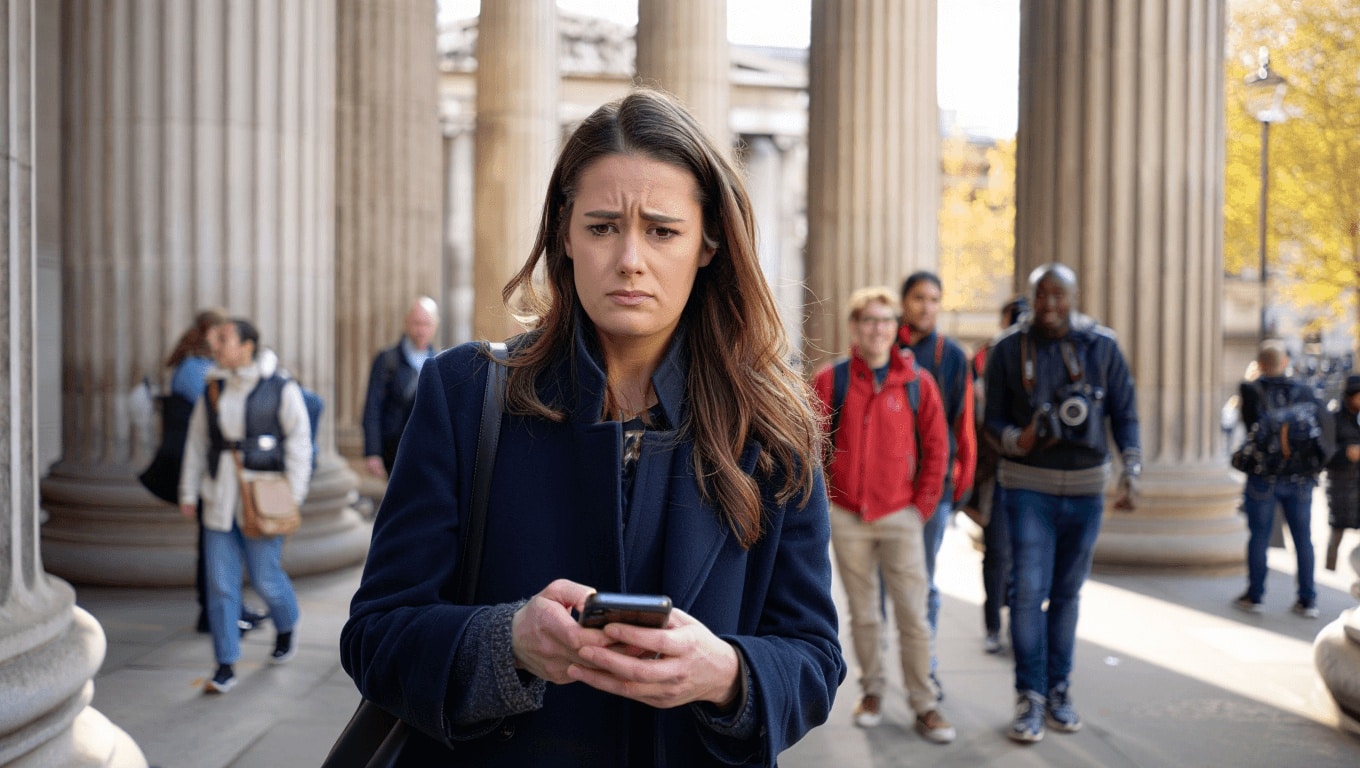
For anyone who has wandered through the vibrant streets of London, the allure of its world-renowned museums is hard to resist. The British Museum, the National Gallery, and the Natural History Museum are just a few of the treasures that welcome visitors without charging a penny. However, whispers of change are in the air, suggesting that this generous policy may soon come to an end. The British government is reportedly considering a new initiative that could impose entrance fees specifically for international tourists, a proposal that has sparked a lively debate.
The idea was put forth by former Labour MP Margaret Hodge, who has been advocating for a reevaluation of free entry policies at major cultural institutions. In a recent independent review commissioned by the Arts Council England, Hodge proposed that access to places like the British Museum and the National Gallery should be restricted for foreign visitors. This concept has caught the attention of government officials, who are now weighing the potential benefits of introducing a ticketing system for tourists, especially given the evolving travel requirements for those coming from countries like Italy.
Hodge’s proposal suggests that the government should first implement a universal system to distinguish between local and international visitors, as highlighted by the Financial Times. A prominent London museum director commented on the situation, noting, “It makes perfect sense. The current model isn’t sustainable, and government funding is dwindling.”
Contrarily, Tristram Hunt, the director of the Victoria and Albert Museum, has voiced his opposition to this plan. He believes that instead of charging visitors, the government could generate revenue through a tourism tax. This would involve levying fees on overnight stays in the UK’s major cities, including London, thus alleviating the financial burden on museum-goers.
Statistics reveal that foreign tourists make up a substantial portion of museum visits in the UK. In fact, 43% of all visitors to British museums and galleries hail from abroad, translating to an impressive 17 million entries for the 2023/2024 period alone. In comparison, domestic visits reached around 23 million, showing a notable decline from pre-pandemic figures, when visits peaked at 49.8 million in 2018/2019.
Implementing an entry fee for international tourists, as Hodge argues, would bring the UK in line with several other countries, including New Zealand and Singapore. While it is anticipated that children and UK residents would be exempt from these charges, the specific fees remain uncertain. Discussions have suggested a potential cost between £15 and £20, especially when compared to other global institutions: the Metropolitan Museum of Art in New York charges $30, while the Louvre can cost up to €32 and the Prado around €15.
To illustrate the financial implications of such a change, consider that the Natural History Museum in London was the most popular attraction in 2025, drawing in 7.1 million visitors—a 13% increase from the previous year. Following closely behind was the British Museum with 6.4 million visitors, while Windsor Castle attracted 4.9 million. The Tate Modern and the National Gallery rounded out the top five, with 4.5 million and 4.1 million visitors, respectively.
As discussions continue, the fate of free entry to these cultural landmarks hangs in the balance, leaving many to wonder how this proposal might shape the future of museum experiences in the UK.
Similar Posts:
- The World’s Safest Passport? Experts Say It’s the British One!
- EasyJet Unveils Unprecedented Offer: Discover What It Is!
- World Falls in Love: Discover the Story Behind This Viral Photo!
- City of Mirrors: A Surprising Place Where Everything Reflects!
- Italian Tourism Numbers Skewed: Federalberghi Blames Government

Jason R. Parker is a curious and creative writer who excels at turning complex topics into simple, practical advice to improve everyday life. With extensive experience in writing lifestyle tips, he helps readers navigate daily challenges, from time management to mental health. He believes that every day is a new opportunity to learn and grow.