In the heart of India, a remarkable initiative has emerged that not only addresses the pressing issue of waste management but also provides a lifeline to those in need. The Garbage Café, which first opened its doors in Ambikapur, Chhattisgarh, in 2019, is gaining traction as a novel solution to two significant problems: poverty and pollution. This unique concept allows individuals to exchange plastic waste for nourishing meals, transforming refuse into a resource for the community.
As reported by the Corriere della Sera, the exchange process is refreshingly straightforward. Residents can bring in one kilogram of plastic waste and, in return, receive a hearty meal consisting of four servings of rice and curry. This initiative has not only helped feed families but has also contributed to Ambikapur’s growing reputation as a “zero landfill city.”
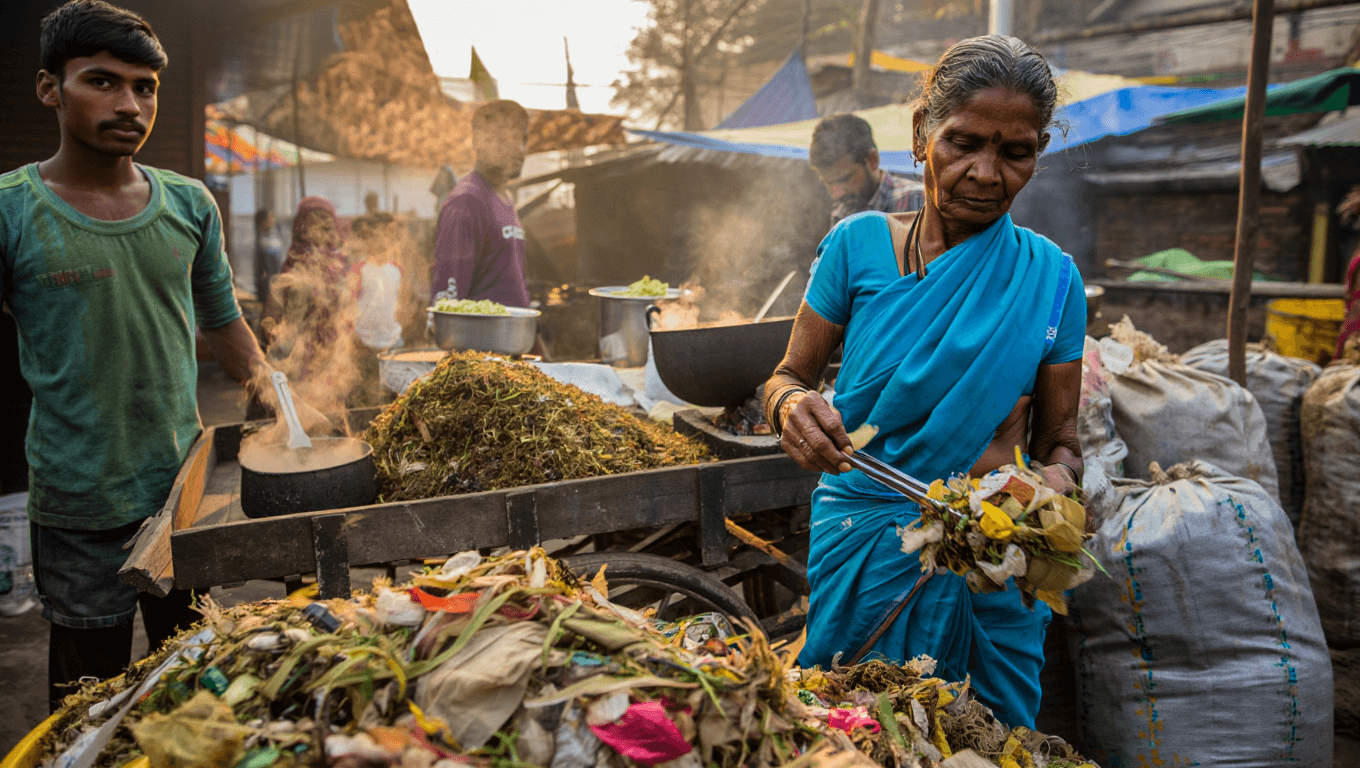
The scale of the waste issue in Ambikapur is staggering. Each day, the city generates 226 tons of waste, a significant portion of which is recycled by its citizens and local businesses. However, litter still accumulates on the streets, where discarded plastic bottles can become a source of income for some. Through the Garbage Cafés, a kilo of such containers can lead to meals that include rice, curry, roti, and salad, illustrating a clever intersection of environmental responsibility and social support.
This innovative approach has fostered a community of small recyclers who are taking the initiative to combat waste. In contrast to earlier practices where recycling companies solely relied on local labor for waste collection, the Garbage Cafés empower individuals directly. The success of this model lies in its efficiency, as it provides immediate benefits to those who collect waste. Traditionally, earning a living from recycling could take an entire day for a meager return of 10 rupees per kilogram—a daunting task when considering the lightweight nature of plastic bottles.
One local resident shared, “I can provide food for my family in exchange for the plastic I collect. It truly makes a difference in our lives,” during an interview with the BBC, which aimed to highlight this innovative endeavor to a wider audience.
The Garbage Cafés are operated by the Ambikapur Municipal Corporation, a local governmental entity. Vinod Patel, an employee of the corporation, revealed that he manages to feed twenty people daily, which translates to recovering twenty kilograms of plastic each day. “If we could exchange all plastic for food, we would be filling empty stomachs while simultaneously cleaning up the environment,” he emphasized.
Despite their success, Garbage Cafés have not replaced traditional door-to-door waste collection or neighborhood recyclers, both of which remain crucial in alleviating the burden on urban landfills. Have you ever wondered why we can’t simply launch all our trash into space? The answer is more complex than it seems. Meanwhile, similar initiatives are reportedly being explored in other parts of India and even in Cambodia, suggesting that the concept may inspire a broader movement toward sustainable waste management solutions.
Similar Posts:
- Rome’s First Neighborhood Without Home Sales: Discover What’s Happening in Talenti!
- After 12 years of failed attempts, the man who lost his hard drive with 742 million euros in Bitcoin has no choice but to give up
- Blue Crab in Cat Food: From Menace to Resource, Whether We Like It or Not!
- Waste Heroes: Net Cleaners Rescue €1,000 Accidentally Discarded by Elderly Woman in Tavullia!
- India Relies on France and Future Nuclear Tech to Catch Up in Civil Nuclear Power

Jason R. Parker is a curious and creative writer who excels at turning complex topics into simple, practical advice to improve everyday life. With extensive experience in writing lifestyle tips, he helps readers navigate daily challenges, from time management to mental health. He believes that every day is a new opportunity to learn and grow.