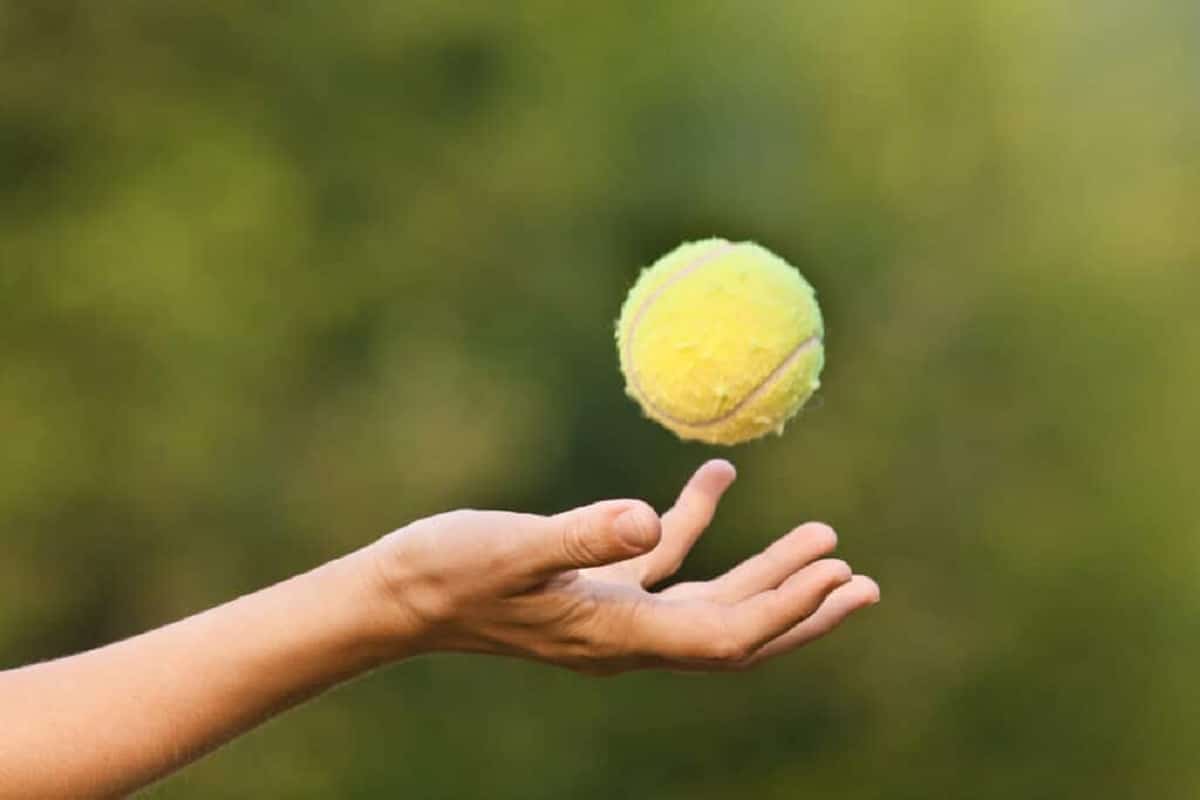
As winter’s chill settles in and frost blankets gardens, few of us consider the harsh impact this season has on local wildlife. Yet, a simple and inexpensive trick involving tennis balls can make a significant difference for many animals. By placing tennis balls in garden water points, you can help prevent water sources from freezing, ensuring vital hydration and survival for various species. Here’s why this winter, your tennis balls deserve a spot in the garden rather than just in the closet.
A Simple Gesture to Prevent Freezing of Water Points
Meet Emily, an avid gardener from Vermont. Each winter, she noticed fewer birds visiting her garden’s birdbath. Determined to help, Emily discovered that placing a tennis ball in the water kept it from freezing solid. This small change made a big difference, allowing birds and other wildlife to access water even in the coldest months.
In winter, most water sources freeze quickly, creating an impassable barrier for animals that rely on them. Whether for drinking, bathing, or even breathing, many species depend on these water points. When ice forms, it cuts off access to essential resources, threatening the survival of birds, insects, and small mammals alike.
Placing a tennis ball in a pond, birdbath, or even a simple puddle can prevent the entire surface from freezing. The constant movement caused by wind or animal activity around the ball creates a small opening in the ice. This opening allows animals to hydrate and, for some, to breathe beneath the surface.
Hydration and Survival: A Vital Need in Winter
Water is as crucial for animals as it is for humans, and in winter, access to liquid water becomes a significant challenge. Unlike us, animals don’t have the luxury of turning on a faucet. Birds, for instance, need to bathe to keep their feathers clean and insulated against the cold. By preventing complete freezing, tennis balls enable these birds to maintain their plumage, essential for staying warm.
Small mammals like hedgehogs and squirrels also benefit from accessible water sources during their brief periods of activity in winter. For aquatic creatures, such as certain insects and fish, even a small access point to air is vital for respiration and survival under the ice.
According to the Wildlife Trust, ensuring that animals have access to unfrozen water can significantly improve their chances of surviving harsh winters. These small interventions can make a substantial difference in maintaining the health and diversity of local ecosystems.
How and Where to Place the Tennis Balls
To maximize their effectiveness, it’s important to strategically place tennis balls in your garden’s water sources. Here are some tips to help animals efficiently access water:
- In Birdbaths: Placing a tennis ball in a birdbath prevents the water from freezing completely, allowing birds to drink regularly without struggling against thick ice.
- In Garden Ponds and Pools: A tennis ball acts as an anti-freeze device, keeping small openings in the ice for insects and fish to breathe and thrive.
- In Rain Barrels: For those who provide water from rain barrels, a tennis ball ensures that a small area remains unfrozen, offering a reliable water source for animals.
For optimal results, regularly check that the tennis balls are properly positioned and that the water remains accessible throughout the winter.
Other Tips to Protect Animals in Winter
In addition to using tennis balls, there are several other simple actions you can take to help local wildlife survive the winter:
- Install Shelters: Piles of wood or layers of dead leaves in a corner of your garden can provide essential shelter for hedgehogs, insects, and other small animals.
- Leave Natural Areas Untouched: Avoid trimming certain plants and hedges to allow birds and small creatures to find natural hiding spots.
- Provide Appropriate Food: Winter makes it harder for many species to find food. Setting up bird feeders with suitable food can support birds during these tough months.
By adopting these practices, your garden can become a haven for biodiversity even in the coldest seasons.
Why Protecting Local Wildlife is Crucial
Protecting wildlife in winter isn’t just about ensuring their survival for a few months—it’s about maintaining the balance of local ecosystems year-round. Birds, for example, play a vital role in controlling insect populations, while aquatic insects are crucial for the food chains of many other species.
By providing unfrozen water sources, gardeners contribute to these natural cycles, supporting biodiversity and promoting a healthier environment. These small but meaningful actions help preserve the fauna around us, ensuring that ecosystems remain robust and resilient.
This winter, by adding one or two tennis balls to your garden’s water points, you can participate in a simple yet impactful act of solidarity and ecological stewardship. Not only will you be aiding animals in their struggle to survive the cold, but you’ll also be fostering a more vibrant and balanced garden ecosystem that will flourish once spring arrives. It’s a straightforward, yet valuable, step to take as the temperatures drop.
Stay Engaged with Nature
Join community initiatives and stay informed about local wildlife needs. Small actions in your garden can lead to significant positive changes for the environment. Let’s work together to create a supportive habitat for all creatures, ensuring a thriving ecosystem for years to come.
Similar Posts:
- Sleeping With a Tennis Ball: A Simple Trick to Stop Snoring
- Is your compost struggling this winter ? How to stop it from rotting and keep it healthy despite the cold
- New Year’s Safety: Emergency Plan to Protect Your Pets from Fireworks!
- Is lowering your refrigerator’s temperature in winter really an energy-saving move ? Here’s what you need to know
- Panic Along the Brenta: Two Collared Monkeys Spotted Near Nomad Camp!

Jason R. Parker is a curious and creative writer who excels at turning complex topics into simple, practical advice to improve everyday life. With extensive experience in writing lifestyle tips, he helps readers navigate daily challenges, from time management to mental health. He believes that every day is a new opportunity to learn and grow.