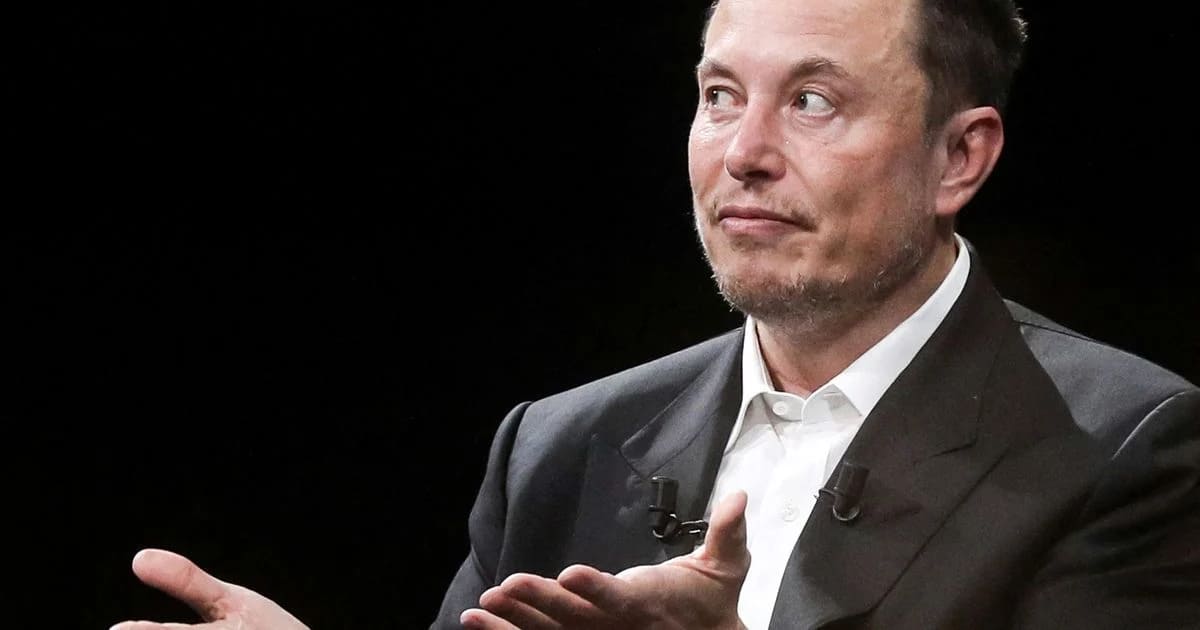
Elon Musk, the tech mogul behind SpaceX, Tesla, and now X, has revolutionized the way we think about hiring. With a track record of running multiple companies and constantly fielding applications from thousands of hopeful candidates, one might wonder: how does he decide who gets the job? Enter the “Two-Hand Test,” Musk’s unique hiring method that focuses on real-world skills rather than traditional education.
A New Approach to Hiring: Experience Over Education
Musk has long been a critic of traditional education. He’s known for saying, “I didn’t go to Harvard, but the people who work for me did.” This sentiment speaks volumes about his approach to hiring. For Musk, it’s not about the number of degrees hanging on a wall; it’s about what candidates can actually do. In a world where many companies rely heavily on academic qualifications, Musk’s Two-Hand Test flips the script by focusing on practical, hands-on experience.
The philosophy behind the Two-Hand Test is simple: experience trumps credentials. Musk has repeatedly said that the best learning often happens outside the classroom, and he believes that real-world experience can teach skills that a degree simply can’t. For example, while a business school graduate might have theoretical knowledge, someone who has hands-on experience in the field could outperform them—especially in a high-stakes environment where practicality matters most.
Hands-On Experience: Skills Matter More Than a Degree
The debate between education and experience is nothing new. However, Musk is one of the most prominent figures to actively reject the idea that higher education is the only path to success. His Two-Hand Test highlights how practical experience is an invaluable asset in his hiring process.
Take, for instance, a graduate who’s learned about problem-solving, teamwork, and leadership in a classroom setting. While these are important skills, Musk argues that they can often be gained just as effectively (if not more so) through real-world experience. This can mean anything from running your own startup to working on hands-on projects that require problem-solving and creative thinking. In Musk’s world, if you can prove you have the skills to do the job, your lack of a formal degree isn’t a dealbreaker.
— Elon Musk (@elonmusk) February 20, 2025
Elon Musk’s Practical Expertise Test: Putting Knowledge to the Test
In addition to valuing experience, Musk places great importance on practical expertise. Unlike many companies that simply look for candidates with impressive resumes, Musk’s hiring process digs deeper. The second key element of his Two-Hand Test is a focus on whether candidates can actually demonstrate their knowledge in a meaningful way.
Musk isn’t impressed by someone who can recite concepts from a textbook without truly understanding them. To him, that’s just memorization—something that would require significant training later on. What he’s looking for is deep, hands-on knowledge—candidates who have mastered the skills they claim to possess and can apply them in real-world situations. This approach is especially important as employees move up the ladder. Entry-level roles might come with some guidance, but as employees gain experience, the ability to work autonomously and apply expertise is crucial.
So, how does Musk assess a candidate’s practical knowledge? Simple: he gets them to do the job. Rather than relying on theoretical questions or abstract problem-solving, he prefers to see how well candidates can perform the actual tasks they’ll face. For example, a potential hire might be asked to design a mechanical solution or work through a technical problem, proving their expertise in real-time.
Why This Matters in the World of Innovation ?
Musk’s hiring strategy isn’t just for show; it reflects his business philosophy and his relentless pursuit of innovation. At companies like Tesla and SpaceX, the stakes are high, and the work is complex. Musk’s goal is to hire problem-solvers, not just people who have memorized theories. He’s interested in individuals who can think outside the box, apply their knowledge creatively, and adapt quickly in fast-paced environments.
This philosophy has led to some of the most revolutionary innovations of our time—from electric vehicles to reusable rockets. The success of Musk’s ventures speaks to the effectiveness of his hiring methods, where practical skills and problem-solving abilities are the top priorities.

A New Standard for Hiring in Tech
Musk’s Two-Hand Test is gaining traction in the tech world and beyond. Companies that value innovation and practical expertise are increasingly adopting similar methods, recognizing that hands-on experience and problem-solving skills are far more valuable than a mere list of academic achievements. As the job market continues to evolve, it’s clear that Musk’s approach is shaping the future of hiring, particularly in industries where creativity and technical expertise are paramount.
In conclusion, Musk’s Two-Hand Test shows that hiring isn’t just about filling a role based on resumes or degrees. It’s about identifying people who are not just qualified on paper but are truly ready to innovate, solve problems, and drive change. By focusing on experience and practical knowledge, Musk is creating a model for hiring that emphasizes real-world expertise over formal credentials—a lesson that can be applied across all industries as we look to the future.
Similar Posts:
- Coursera Acquires Udemy: The Rise of a $2.5B MOOC Powerhouse!
- It’s Official! Elon Musk Becomes the Wealthiest Person in History
- Elon Musk bought a laptop and, upon turning it on, Windows insisted he create a Microsoft account—a proposition he refused
- Employers Hire Overqualified Candidates: Addressing Retention Concerns Amid Workforce Changes
- Top Skills for 2026: Hiring Managers Reveal Essential Hard and Soft Skills You Need
Jason R. Parker is a curious and creative writer who excels at turning complex topics into simple, practical advice to improve everyday life. With extensive experience in writing lifestyle tips, he helps readers navigate daily challenges, from time management to mental health. He believes that every day is a new opportunity to learn and grow.