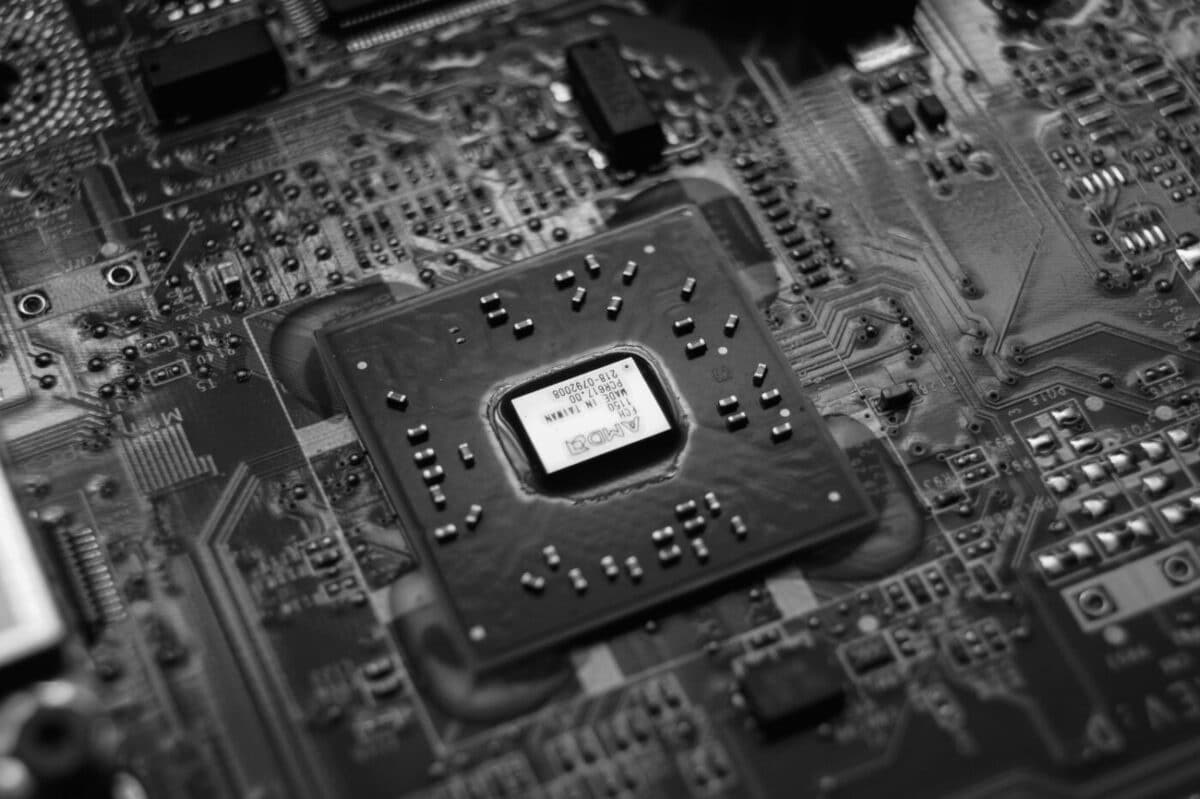
Despite ongoing geopolitical tensions, scientists from the U.S. and China have joined forces to develop a groundbreaking graphene-based semiconductor—a breakthrough that could reshape the future of microelectronics. Researchers from Georgia Institute of Technology and Tianjin University have successfully engineered a way to give graphene the essential properties of a semiconductor, potentially overcoming the limitations of traditional silicon-based chips.
The Challenge of Turning Graphene Into a Semiconductor
First isolated in 2004, graphene quickly earned a reputation as a wonder material thanks to its exceptional electrical conductivity, mechanical strength, and thermal efficiency. However, its lack of a natural band gap—the energy difference between an insulating and conducting state—has long been a hurdle preventing its use in transistors and electronic circuits.
This international research effort aimed to solve that problem. Led by physicist Walter de Heer, the team developed a method for modifying graphene’s properties by growing it on a silicon carbide (SiC) wafer. The result is Epigraphene, a material that retains all the advantages of graphene while also functioning as a true semiconductor.
A Potential Successor to Silicon
For decades, silicon has been the backbone of modern electronics, but its limitations are becoming more apparent—especially in terms of processing speed and heat management. The emergence of Epigraphene could offer a superior alternative, boasting:
- Higher clock frequencies for faster computing performance
- Improved energy efficiency, reducing power consumption
- Better heat dissipation, addressing the thermal issues of modern chips
Crucially, the method used to manufacture Epigraphene is compatible with existing semiconductor production techniques, making large-scale adoption far more feasible.
How Close Are We to Mass Production ?
While the breakthrough is promising, the technology is still in its early stages. Researchers have successfully produced uniform, high-quality layers of Epigraphene, but scalability remains a challenge. Current sample sizes are relatively small, and further testing is required to confirm its long-term stability and industrial viability.
However, initial findings are encouraging—Epigraphene demonstrates electron mobility that is ten times greater than that of silicon, which could lead to an era of faster and more efficient microchips.
A Step Toward the Future of Electronics
This collaboration between American and Chinese scientists highlights the power of international cooperation in advancing next-generation materials. While silicon remains dominant for now, materials like Epigraphene could pave the way for a new era of faster, more efficient, and potentially revolutionary electronic devices.
As research continues, the world watches closely—because the next big leap in computing might just be built on a single layer of carbon.
Similar Posts:
- Solar Panels Are Just the Beginning—Now, Rain Can Generate Power Too
- China Breaks Record for World’s Hardest Material, 40% Stronger Than Natural Diamond
- China achieves a technological breakthrough once thought impossible using stainless steel and remarkable ingenuity
- China accomplishes a technological breakthrough once thought impossible, using stainless steel and remarkable ingenuity
- 5,700 years without recharging : the UK unveils the first carbon-14 battery

Jason R. Parker is a curious and creative writer who excels at turning complex topics into simple, practical advice to improve everyday life. With extensive experience in writing lifestyle tips, he helps readers navigate daily challenges, from time management to mental health. He believes that every day is a new opportunity to learn and grow.