In a move that could shake up the wearable tech market, European authorities are urging Apple to loosen its restrictions on third-party smartwatches when paired with an iPhone. This push for interoperability comes amid growing frustration among users and developers who believe that the current limitations stifle innovation and choice.
Pushing for a More Open Ecosystem
I remember a conversation with a friend who swore by his Garmin watch, even though he owned an iPhone. Like many others, he found it frustrating that his non-Apple wearable couldn’t fully leverage the capabilities of his phone. Currently, while it’s technically possible to use other smartwatches with an iPhone, the functionality is severely restricted. Unlike the seamless experience offered by the Apple Watch, third-party devices can’t control notifications as flexibly or access certain background features.
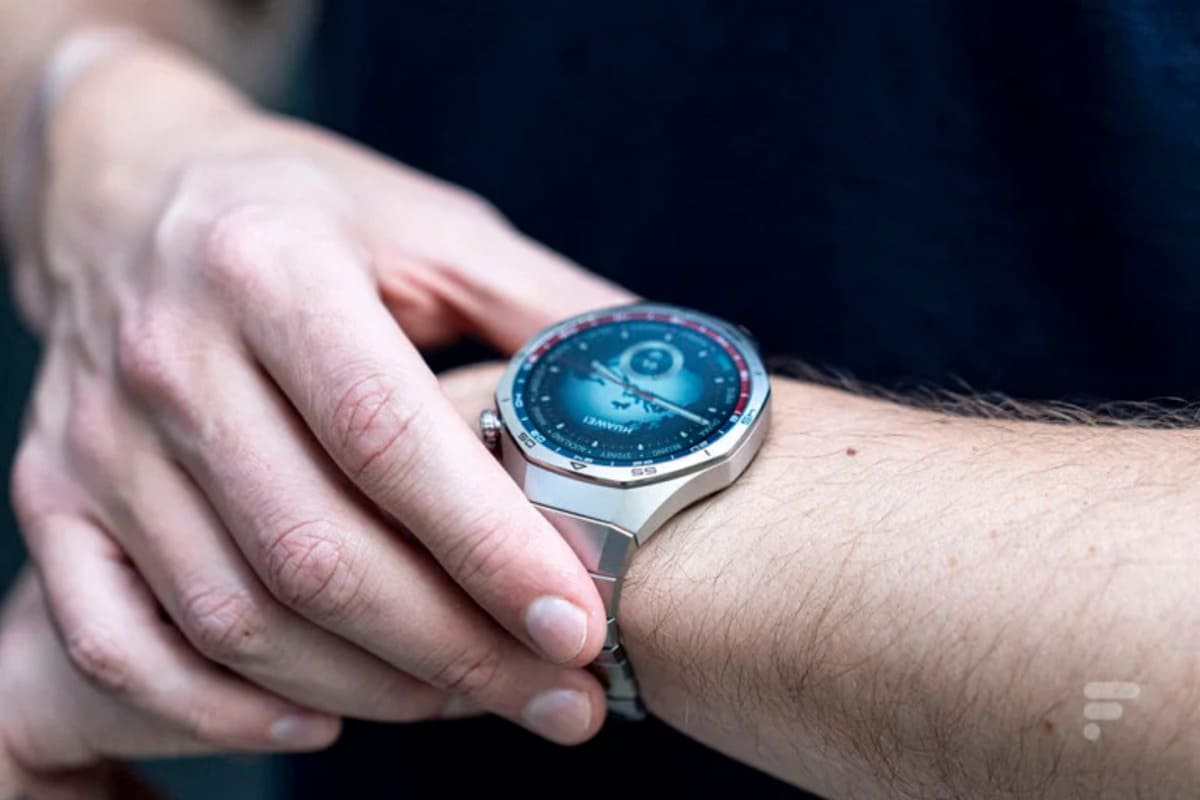
This has led to calls from the European Commission, which recently released its preliminary findings on the matter. The commission’s report, part of the Digital Markets Act (DMA) initiative, highlights the need for Apple to extend the same privileges to non-native smartwatches—such as those from Garmin, Huawei, or Xiaomi—that it grants to its own devices. Trusted industry experts, including those at the European Commission, emphasize that such changes would allow developers and accessory makers to design more user-friendly products that work harmoniously with iOS.
Concerns Over Privacy and Security
Naturally, any proposal to open up the iOS ecosystem raises concerns. Apple has been cautious in the past, insisting that limited access is crucial for protecting user privacy and security. The company argues that every time it grants developers deeper access to its system features, it has to strike a delicate balance between functionality and safeguarding sensitive data. This sentiment is echoed by various privacy advocacy groups, which have often stressed the importance of maintaining robust security standards, even as the tech landscape evolves.
In their response, Apple has highlighted the potential risks of granting broader access—pointing out that companies with less stringent data practices could misuse such privileges. This debate underscores a broader question facing the industry: How do we enable innovation without compromising user security? The consultation phase, which began on January 9, is expected to gather feedback from developers and accessory manufacturers, setting the stage for the next steps in this regulatory process.
What’s Next?
The unfolding dialogue between regulators, tech giants, and the developer community is a clear indicator that the future of connected devices may soon look very different. As the consultation period continues, all eyes will be on how Apple responds to these calls for greater flexibility in its ecosystem.
For many, this isn’t just a technical issue—it’s about choice and control over one’s personal tech environment. With the rapid pace of innovation in wearable technology, a more open approach could pave the way for smarter, more integrated devices that truly enhance our everyday lives. As this story develops, it remains to be seen whether the balance between innovation and security can be maintained in a more interconnected future.
Similar Posts:
- The best Android feature finally makes its way to iPhones, thanks to Google
- Apple faces a decline in iPhone sales, with a familiar culprit in the spotlight
- Samsung teases a revolutionary battery design in its upcoming Galaxy Watch 9
- How to Send Your Location by SMS in an Emergency ?
- Altcoins vs. Bitcoin: the top challengers to watch in 2025

Jason R. Parker is a curious and creative writer who excels at turning complex topics into simple, practical advice to improve everyday life. With extensive experience in writing lifestyle tips, he helps readers navigate daily challenges, from time management to mental health. He believes that every day is a new opportunity to learn and grow.