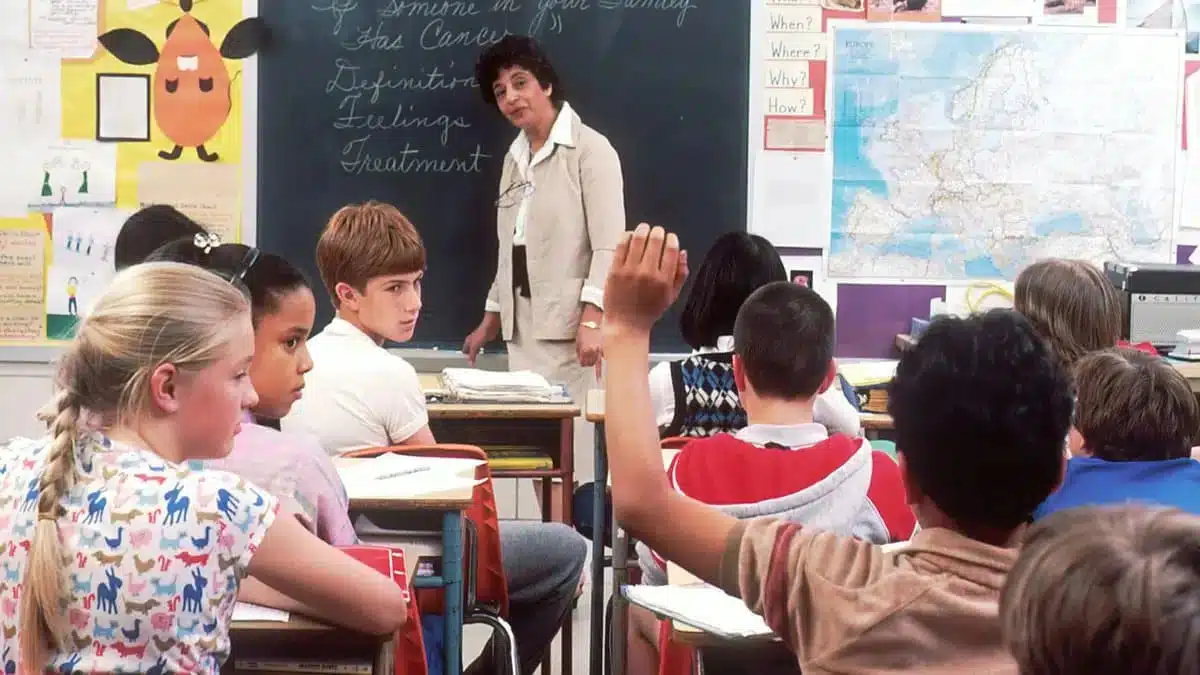
In recent years, technology has become an integral part of our daily lives, especially in schools. Tablets, laptops, and digital platforms are now used widely to support learning. However, according to the Swedish government, this shift toward digital tools in the classroom may have inadvertently contributed to a concerning decline in student performance. The government’s response? A renewed focus on traditional textbooks.
The Rise of Screens in Schools
The presence of screens in classrooms has been on the rise worldwide. In Sweden, as in many other countries, the use of tablets and laptops has become a standard part of education. These devices offer many advantages: they enable teachers to show interactive videos, provide instant access to information, and facilitate communication with parents through platforms like Pronote, which replaced paper-based communication.
While there are clear benefits, experts warn about the downsides of relying too heavily on technology in education. Research has shown that reading on a backlit screen can be more tiring than reading from paper, which may impact students’ ability to focus and retain information. Additionally, studies have suggested that the digital format can hinder memory and comprehension, particularly for younger children.
Sweden’s Response : The Blame on Screens
For over a decade, Sweden has embraced the use of digital devices in its schools. However, a growing number of educators and policymakers are now questioning the effectiveness of this approach. In Sweden, many schools have replaced traditional textbooks with digital alternatives, leading students to rely on computers for most of their learning, from researching information to writing assignments and revising for exams.
Parents have expressed frustration over this shift, noting that it’s harder to ensure children are actually working on their assignments instead of getting distracted by games or movies. In 2018, nearly one in five children in Sweden aged 5 to 8 owned their own smartphone, a trend that mirrors similar statistics in other countries like France, where more than half of schoolchildren now have access to mobile phones.

The Swedish Government’s Shift in Education Policy
Despite the rise in technology use, Sweden has noticed a decline in academic performance among students. Although Swedish students are still among the top performers in reading comprehension within the EU, the country has seen an overall drop in educational standards. Lotta Edholm, Sweden’s Minister for Education, has pointed out that there is a growing lack of critical thinking among students and a dangerous over-reliance on digital devices, which are often viewed as more authoritative than they should be.
In response to these concerns, the Swedish government has decided to reverse course, advocating for a return to printed textbooks. In fact, Sweden has allocated significant funding—€60 million last year and €44 million this year and next—to accelerate the reintegration of textbooks in schools. The goal is simple: ensure that every student has access to a textbook for each subject.
The Case for Traditional Learning Tools
While some may see this shift as a step backward, many educators believe that printed materials are essential for fostering deep learning. Textbooks provide a tangible, distraction-free resource for students, allowing them to engage more fully with the material. Moreover, the tactile nature of books helps students focus better and enhances retention, which is especially important during the formative years.
Critics of the digital-first approach argue that while technology offers flexibility, it can also distract students and dilute the quality of education. Swedish authorities are now pushing for a more balanced approach that combines the benefits of traditional learning tools with the advantages of digital technologies—only when the latter truly enhances educational outcomes.
Conclusion : A Balanced Future for Education?
Sweden’s shift away from screens in schools is a striking reminder of the ongoing debate about the role of technology in education. While digital tools have undeniable benefits, the Swedish government’s decision to return to textbooks shows a growing recognition that there’s more to learning than just digital interaction. The key, it seems, is finding a balance that leverages both the advantages of technology and the proven effectiveness of traditional teaching methods. Only time will tell if this new approach can help restore the academic performance of Sweden’s students and set a model for other countries to follow.
Similar Posts:
- In 2009, Sweden replaced books with computers; now, 15 years later, it’s investing €104 million to reverse that decision
- In 2009, Sweden replaced books with computers. Now, 15 years later, the country is investing 104 million euros to reverse that decision
- AI in Schools: Students Turn to Technology for Homework Help!
- Workforce Pell Regulations Unveiled: Education Department’s Key Guidelines Explained
- Geostoria Gone: How High School Curricula May Change Next Year!

Jason R. Parker is a curious and creative writer who excels at turning complex topics into simple, practical advice to improve everyday life. With extensive experience in writing lifestyle tips, he helps readers navigate daily challenges, from time management to mental health. He believes that every day is a new opportunity to learn and grow.