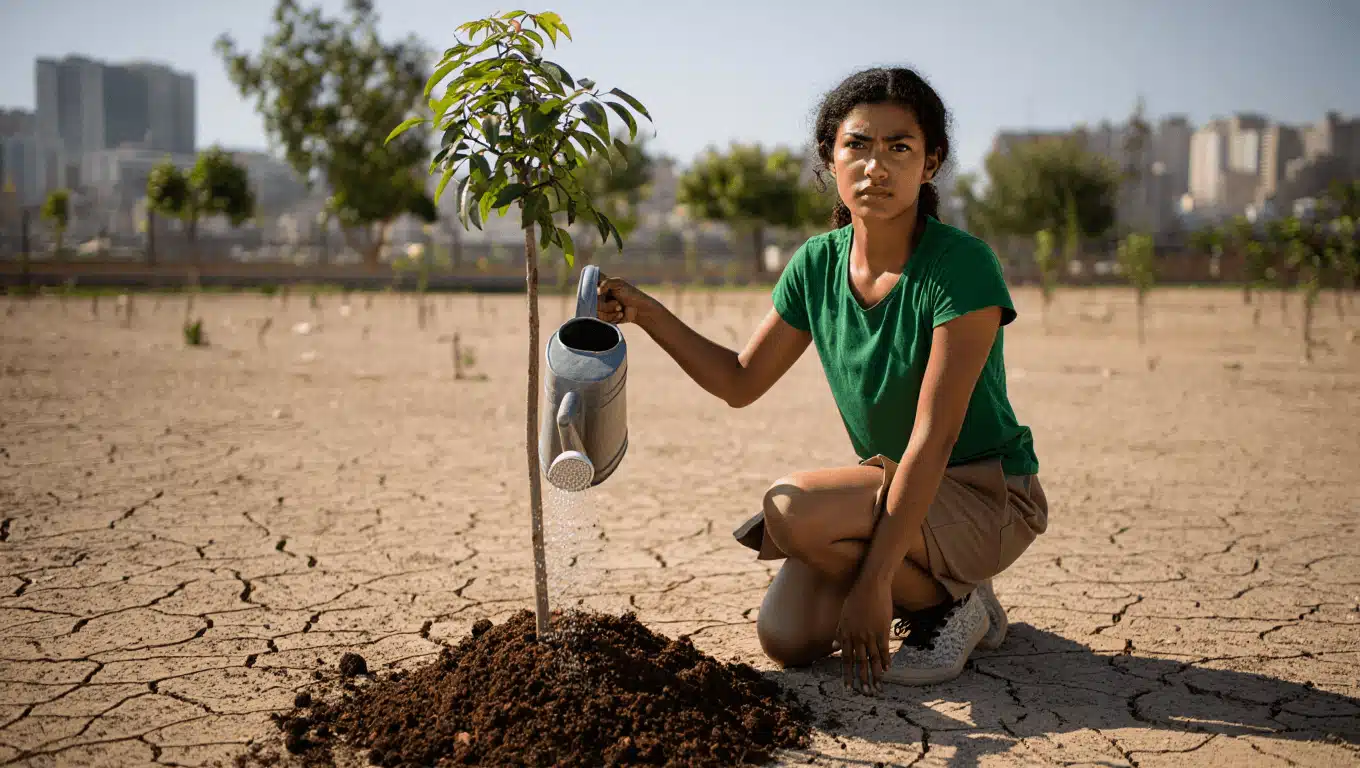
As the summer of 2026 approaches, cities are bracing themselves for sweltering temperatures that soar beyond 36 to 39 degrees Celsius, accompanied by relentless tropical nights. In response to this climate challenge, many urban planners and residents are turning to the age-old solution of planting trees and constructing green roofs. However, experts in meteorology suggest that these localized efforts may not be sufficient to combat a larger phenomenon driven by warm air masses originating from Africa, which are spreading across the continent.
To understand the effectiveness of urban forestry and other localized measures, it is essential to explore the broader context of heat waves and their underlying causes. The implications of this climate crisis extend beyond mere discomfort; they demand innovative thinking and comprehensive strategies to safeguard our urban environments.
The Role of Urban Forestry in Mitigating Heat
Urban forestry has proven to be an effective strategy on a neighborhood scale. Trees play a pivotal role in reducing thermal radiation absorbed by asphalt and buildings, thereby softening the urban heat island effect prevalent in densely populated areas.
– Trees provide shade, which helps lower temperatures in their immediate vicinity.
– They contribute to improved air quality and enhance the overall aesthetic of urban spaces.
While these benefits make city streets and parks more livable, they fall short of cooling entire regions significantly. The localized nature of their impact means that while a park may offer respite from the heat, it cannot alter the broader climatic conditions affecting an entire continent.
The Limitations of Localized Responses
Meteorologist Federico Grazzini highlights the scale of the issue at hand. When a warm air mass, particularly one originating from Africa, settles over a continent, the cooling effects of an urban park are negligible. The anticyclone that brings this heat can span hundreds of kilometers, while the refreshing shade provided by vegetation only influences a few hundred meters around the trees.
The Need for Comprehensive Solutions
Local measures, while valuable, are necessary but not sufficient. Implementing regulations on water consumption and increasing green spaces are essential steps to manage the immediate effects of heat waves in urban centers. These initiatives can help alleviate discomfort for residents in the most exposed neighborhoods during peak heat hours.
However, these local strategies do not address the root causes of thermal anomalies. To tackle the rising temperatures that have become alarmingly frequent, it is essential to confront the structural causes of global warming. This involves:
– Reducing greenhouse gas emissions
– Revising energy and industrial planning practices
Although some countries have initiated temporary measures, these are often limited in scope and impact. Urban greenery remains a beneficial addition to the urban landscape, but it cannot replace the urgent need for comprehensive, global solutions. Only through concerted international efforts can we hope to make meaningful progress in the fight against climate change and its associated challenges.
Similar Posts:
- OSHA’s New Leader: David Keeling Takes the Helm!
- Record Heatwave: Remember Summer 2003? Milano Sizzled with 84 Days Over 30 Degrees!
- Judges Demand Heat Kits: Glovo Riders’ Bonus Tripled Amid Rising Temperatures
- Why Do Extreme Cold Waves Continue Despite Global Warming ?
- 2026 World Cup: The Hidden Threat That Could Disrupt the Matches!

Jason R. Parker is a curious and creative writer who excels at turning complex topics into simple, practical advice to improve everyday life. With extensive experience in writing lifestyle tips, he helps readers navigate daily challenges, from time management to mental health. He believes that every day is a new opportunity to learn and grow.