As summer draws to a close, many of us are still grappling with the lingering heat. The sweltering days seem relentless, and we’ve turned to every possible tool to keep cool, including our trusty fans. However, recent findings suggest that relying on fans may not always be the best choice, particularly for older adults. A closer look reveals some surprising insights that might change how we approach these hot summer days.
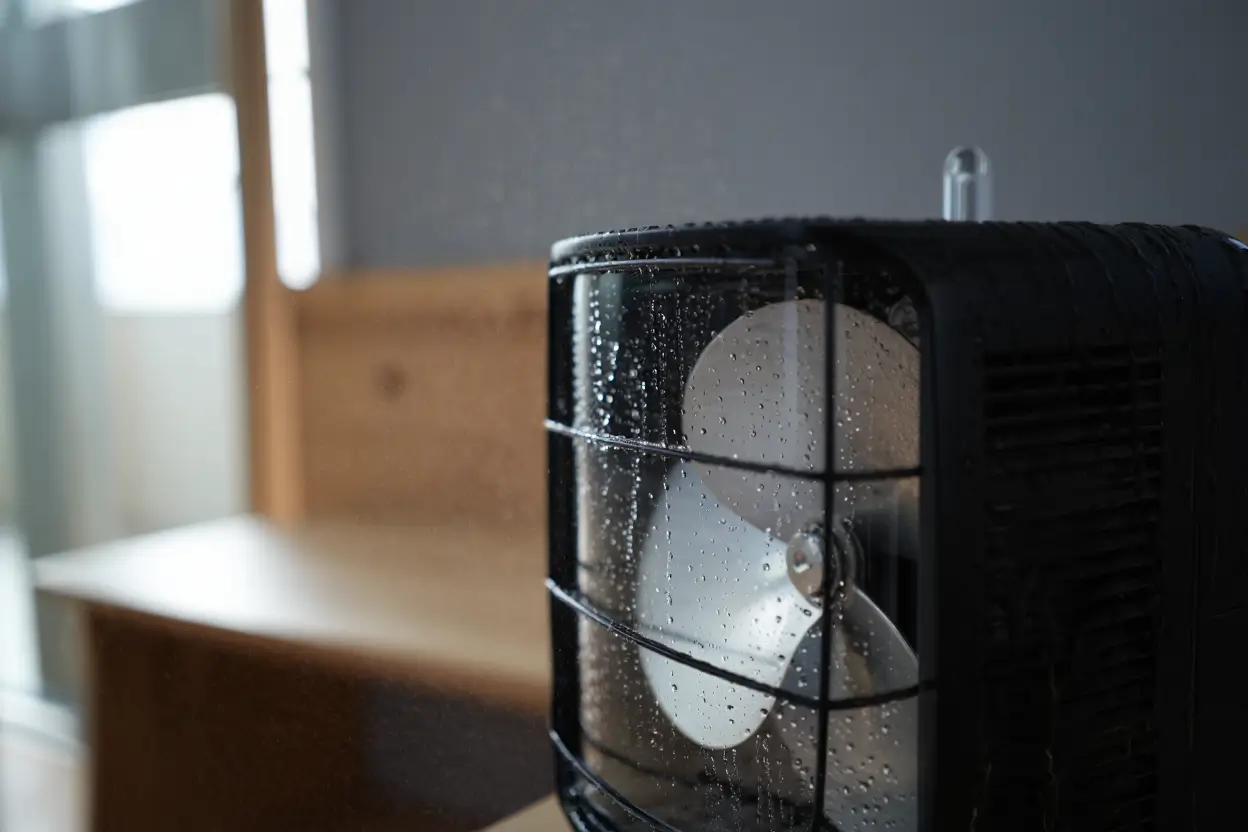
A recent study published by Scimex has shed light on the effects of fan usage in extreme heat conditions. While it’s commonly believed that high-speed fans can help decrease body temperature and enhance comfort in humid environments, the reality is more complex. Researchers from institutions like the University of Sydney and Monash University have discovered that in dry and scorching conditions, the use of a fan might do more harm than good.
The study focused on the experiences of 58 adults over the age of 60, averaging around 68 years old. Among the participants, 27 had a history of coronary artery disease, while 31 were considered healthy. Each individual was subjected to four different heat exposure scenarios lasting three hours each, separated by a minimum of 72 hours. The scenarios included one with just the fan, one with skin moistened without a fan, one with both a fan and moistened skin, and a control group with no interventions.
During the sessions designed to simulate sweating, warm water was sprayed onto the exposed skin, while a high-speed household fan was placed a meter away. All participants faced an ambient temperature of 38 °C with 60% relative humidity, reflecting extreme heat conditions.
The results were intriguing. The sole use of a fan led to a minimal average reduction of 0.1 °C in internal body temperature, providing only slight relief. Participants reported increased sweating and felt more refreshed, but the combination of fan usage and skin moisture did not alter internal temperatures, even though it improved comfort levels.
How can this be explained? It appears that moistening the skin interfered with the body’s natural sweating response, which is essential for cooling. More alarmingly, in conditions of extreme heat and low humidity—such as a temperature of 45 °C with just 15% humidity—using only a fan actually raised internal body temperature by 0.3 °C. This indicates that the fan was pushing heat back into the body, and participants reported feeling warmer as a result.
This study underscores the importance of considering both temperature and humidity when assessing the cooling effects of high-speed fans. Additionally, the connection between heat exposure and cardiovascular health is well-documented; during heatwaves, the risk of heart-related mortality can triple. A fan alone may not suffice to mitigate the health risks associated with extreme heat.
As summer lingers, it’s essential to understand how to protect ourselves, especially those who are older or have pre-existing health conditions, from the dangers of extreme heat.
Similar Posts:
- Sleep Cool Tonight: Stop Pointing Your Fan at Your Face for Better Rest!
- 2026 World Cup: The Hidden Threat That Could Disrupt the Matches!
- Vegan Diet After 65: Is It Good or Bad for Muscle Health?
- Weekly Showers: How Many to Protect Your Skin and Avoid Health Risks? Expert Guidelines Revealed!
- Summer Celebration Takes a Dramatic Turn: Shocking Reactions Erupt on Social Media!

Jason R. Parker is a curious and creative writer who excels at turning complex topics into simple, practical advice to improve everyday life. With extensive experience in writing lifestyle tips, he helps readers navigate daily challenges, from time management to mental health. He believes that every day is a new opportunity to learn and grow.