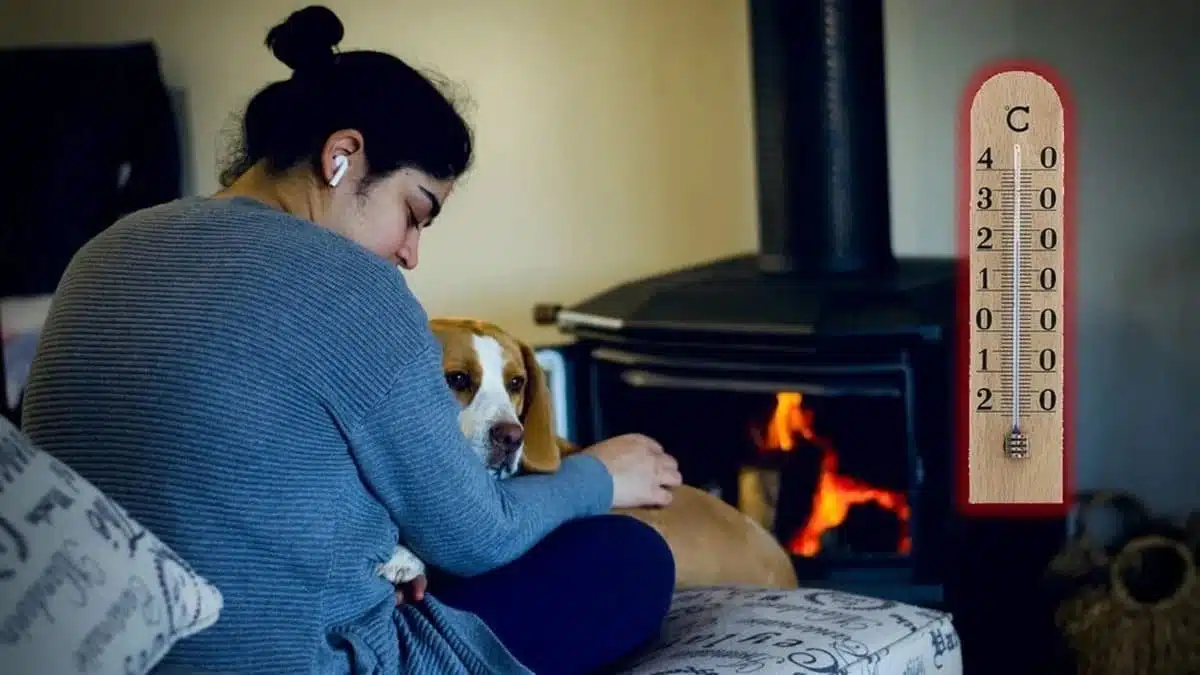
As winter temperatures dip, we all start thinking about turning the heat back on in our homes. But how do you balance staying warm and comfortable while also keeping your heating costs in check? With energy prices soaring, it’s more important than ever to find that sweet spot between comfort and energy savings. Here’s a look at the ideal indoor temperatures that promote good health and comfort while also helping you save money this winter.
What’s the Minimum Temperature for Good Health ?
The minimum temperature you should maintain in your home for health depends on several factors, such as the age of the people living there, their health conditions, and even how active they are during the day. However, for those of us simply looking to maintain a healthy indoor environment, several guidelines can help.
According to the World Health Organization (WHO), indoor temperatures that are too cold can have serious health consequences. Cold air can inflame the lungs, making it easier to develop respiratory infections or worsen conditions like asthma. Additionally, cold temperatures cause blood vessels to constrict, which can strain your circulatory system.

For healthy adults living in moderate climates, the WHO recommends an indoor temperature of at least 18°C (64°F). This is considered the minimum temperature for maintaining a safe and healthy environment. For more vulnerable groups, like the elderly, children, or those with chronic conditions, a higher temperature of around 22-24°C (71-75°F) is recommended, particularly during the day.
The Ideal Temperature to Maximize Energy Efficiency and Comfort
If you’re looking for a balance between comfort and energy savings, the ideal temperature will be a little higher than the minimum. According to studies from the Institute for Diversification and Energy Savings (IDAE), the optimal indoor temperature for energy efficiency in winter is between 21°C and 23°C (69-73°F) during the day. At night, it can drop slightly to between 15°C and 17°C (59-63°F) to help save on heating costs without sacrificing comfort.
Maintaining a temperature in this range allows you to stay warm without using excessive energy. Interestingly, the difference between 18°C and 23°C can significantly impact your energy consumption. Heating costs can increase by up to 10% for every degree above 23°C, so it’s a good idea to keep your indoor temperature within this range to avoid a shocking energy bill at the end of the month.

Temperature Recommendations for Different Rooms
It’s important to note that different rooms in your home may require different temperatures. For instance, the ideal temperature for a living room is higher than for a kitchen or bathroom. Here’s a breakdown of how you can adjust temperatures throughout your home to save energy and keep comfortable:
-
Living Room: This is where you spend most of your time, so it should be a little warmer than other rooms. Aim for 21°C to 23°C (69-73°F).
-
Bedroom: Since you’re mostly in the bedroom when it’s dark and you’re typically under covers, you can afford to keep the temperature a little cooler, around 18°C to 20°C (64-68°F).
-
Kitchen: With the oven or stove on, the kitchen naturally gets warmer. You don’t need to heat it as much, so keep the temperature around 18°C (64°F), which also helps your fridge and freezer run efficiently.
-
Bathroom: For brief periods, use a portable electric heater to warm the bathroom quickly, especially if it gets chilly after a shower. A slightly higher temperature is ideal for these short bursts of heat but be mindful of not leaving the heat on too long.
Control Heating by Room
In an ideal situation, each room should have its own heating control, allowing you to adjust the temperature to match your specific needs. If you have a centralized thermostat, it’s best to place it in a central area of your home where it can get a representative reading of the average temperature.
Having room-specific controls allows you to set the living areas slightly warmer than the bedrooms, which should be cooler than the kitchen or bathroom. This way, you can tailor your heating to both comfort and energy savings.
In Conclusion
Finding the right temperature in your home this winter isn’t just about staying warm—it’s also about ensuring your health, reducing energy consumption, and maintaining comfort. By keeping your home between 18°C and 23°C, you can achieve a balance that supports well-being and reduces heating costs. Remember, small adjustments can make a big difference when it comes to both your comfort and your energy bill!
Similar Posts:
- Should you heat unused rooms in your home ?
- Wood Stove Owners: This Handy Tool Can Boost Comfort and Slash Costs
- Save on Your Heating Bill: 4 Common Mistakes to Avoid with Your Radiators
- Sleep Cool Tonight: Stop Pointing Your Fan at Your Face for Better Rest!
- Save Your Christmas Star: Avoid This Common Mistake that Causes Early Wilting!

Jason R. Parker is a curious and creative writer who excels at turning complex topics into simple, practical advice to improve everyday life. With extensive experience in writing lifestyle tips, he helps readers navigate daily challenges, from time management to mental health. He believes that every day is a new opportunity to learn and grow.