As the sun graces us with its warmth, the topic of sun protection becomes increasingly relevant. Recent comments from Dr. Rasio have reignited discussions about the importance of using protective measures like sunscreen. To shed light on this essential subject, Professor Daniela Massi has stepped in, offering an insightful guide for the effective use of sun protection products.
While sunscreen plays a crucial role in reducing skin damage when applied properly, Professor Massi, who holds a position in Pathology at the University of Florence and is the president of the Italian Melanoma Intergroup (IMI), emphasizes that this does not give us the green light to bask in the sun indefinitely. She draws a compelling analogy: “Just because I wear my seatbelt in the car doesn’t mean I can ignore speed limits or traffic signals. Protective clothing, wide-brimmed hats, and sunglasses are equally vital, along with adhering to times when solar radiation is less intense, and other precautions your doctor can advise you on.”
Choosing the Right Sunscreen
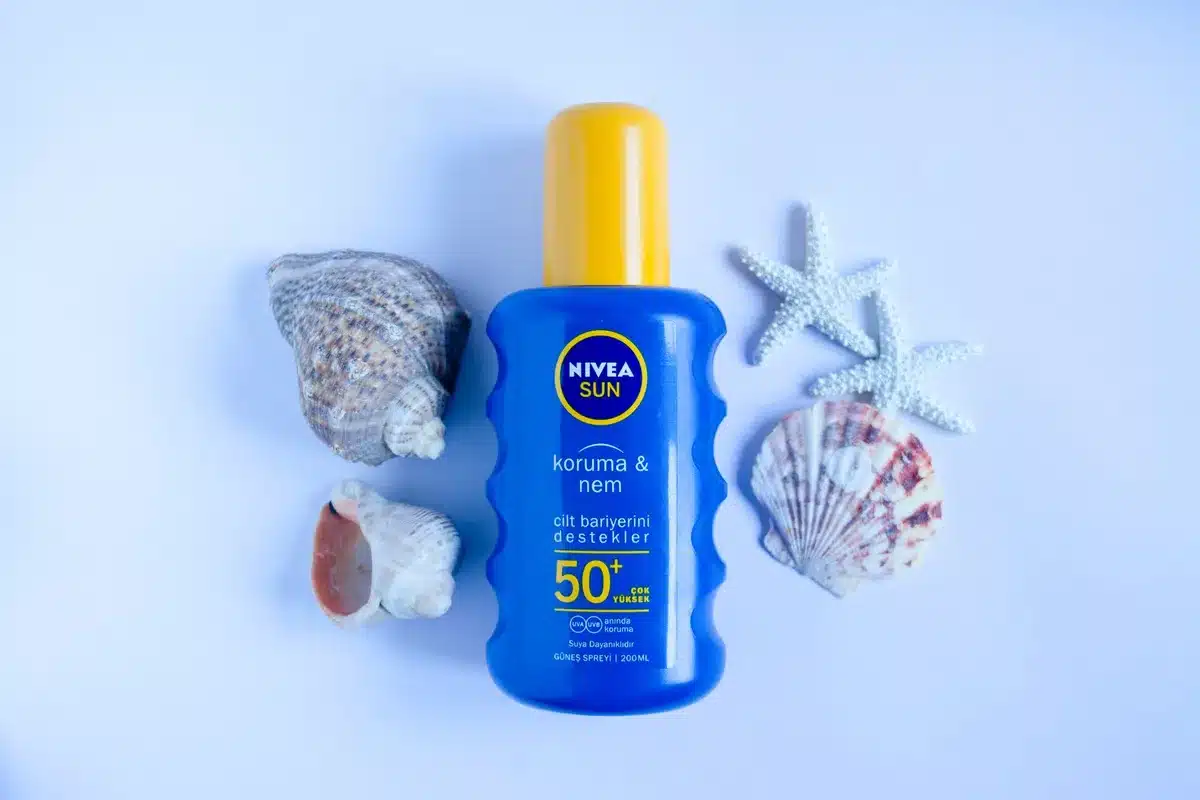
When selecting a sunscreen, the first factor to consider is the **sun protection factor (SPF)**. Professor Massi advises, “For summer exposure and for those spending significant time outdoors, it’s wise to choose a product with high or very high protection, preferably SPF 30, 50, or 50+.”
Additionally, it’s crucial that the sunscreen is **broad-spectrum**, which means it protects against both UVB and UVA rays. “UVB rays are primarily responsible for sunburns, skin irritations, and play a significant role in melanoma risk,” she explains. “UVA rays penetrate deeper into the skin and are mainly responsible for aging, wrinkles, and skin spots. Broad-spectrum sunscreens mitigate both types of risks.”
The Importance of Sufficient Application
The actual protection provided can be significantly lower than what is indicated on the sunscreen packaging if **too little is applied**. “A commonly shared guideline is to apply about 30 milliliters of product to the entire body each time,” Professor Massi clarifies. This is roughly the amount contained in a small shot glass for an adult.
It’s essential to **spread the sunscreen evenly**, remembering to cover areas such as the hairline, lips, ears, neck, décolletage, and the backs of the hands and feet. Ideally, sunscreen should be applied before stepping outside to avoid exposing unprotected areas to the sun.

Reapplication is Key
Professor Massi stresses the importance of **reapplying sunscreen**, as its protective effects do not last all day. “The general rule is to reapply every two hours,” she advises, adding that it should also be reapplied after swimming, showering, or excessive sweating.
Even if the label states “water-resistant,” the product may not remain effective after prolonged exposure to water or in the presence of sweat, sand, and towels. Whether you’re enjoying a leisurely walk or cycling outdoors, it’s essential to repeat the application to maintain adequate protection.
Similar Posts:
- Weekly Showers: How Many to Protect Your Skin and Avoid Health Risks? Expert Guidelines Revealed!
- Summer Fans: Could They Be Harmful? Discover Why You Should Be Cautious!
- Anti-Theft Lock Releases Stink to Deter Thieves: Say Goodbye to Stolen Bikes
- Acabe com a Acne no Verão: Descubra o Protetor Solar EltaMD para uma Pele Perfeita!
- Listeria Alert: Lidl Recalls Deluxe Salmon – Check Your Expiration Dates Now!

Jason R. Parker is a curious and creative writer who excels at turning complex topics into simple, practical advice to improve everyday life. With extensive experience in writing lifestyle tips, he helps readers navigate daily challenges, from time management to mental health. He believes that every day is a new opportunity to learn and grow.